Last updated November 22, 2026
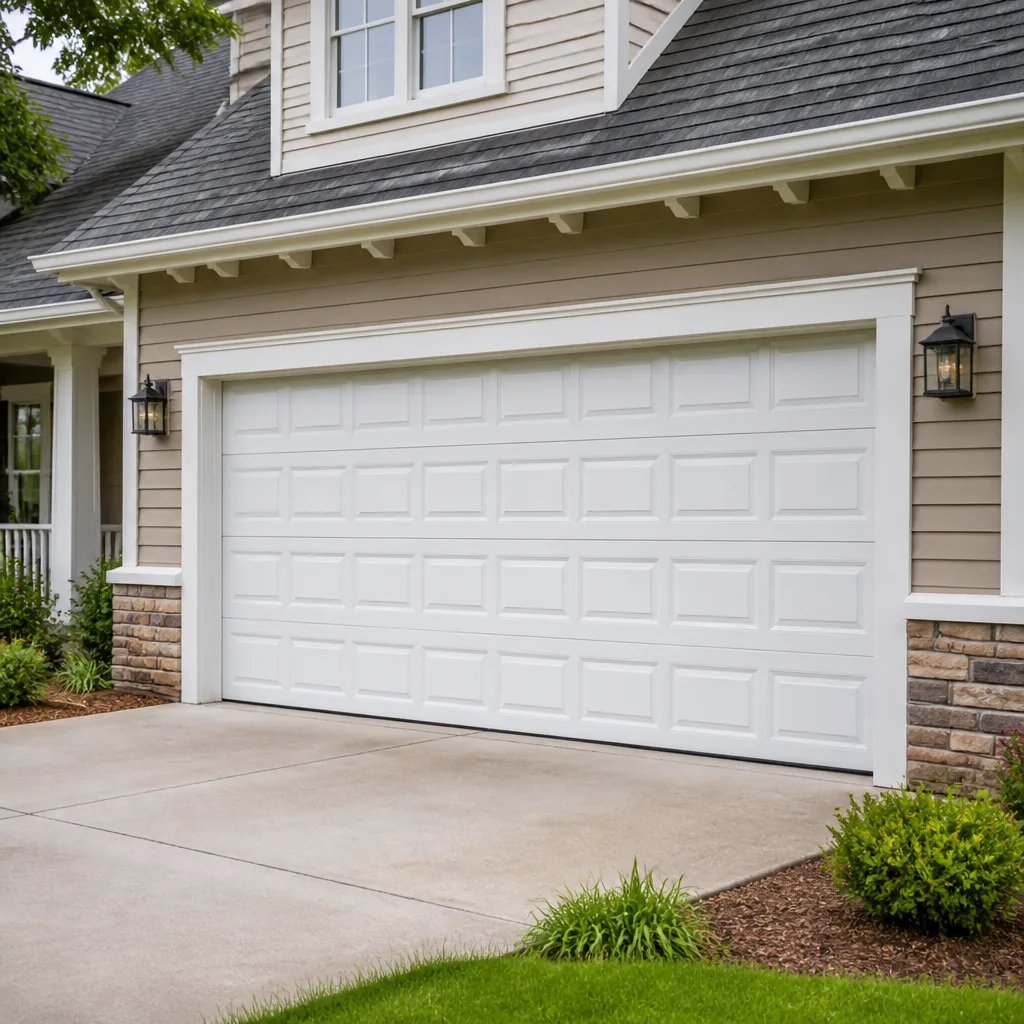 Raised-panel steel
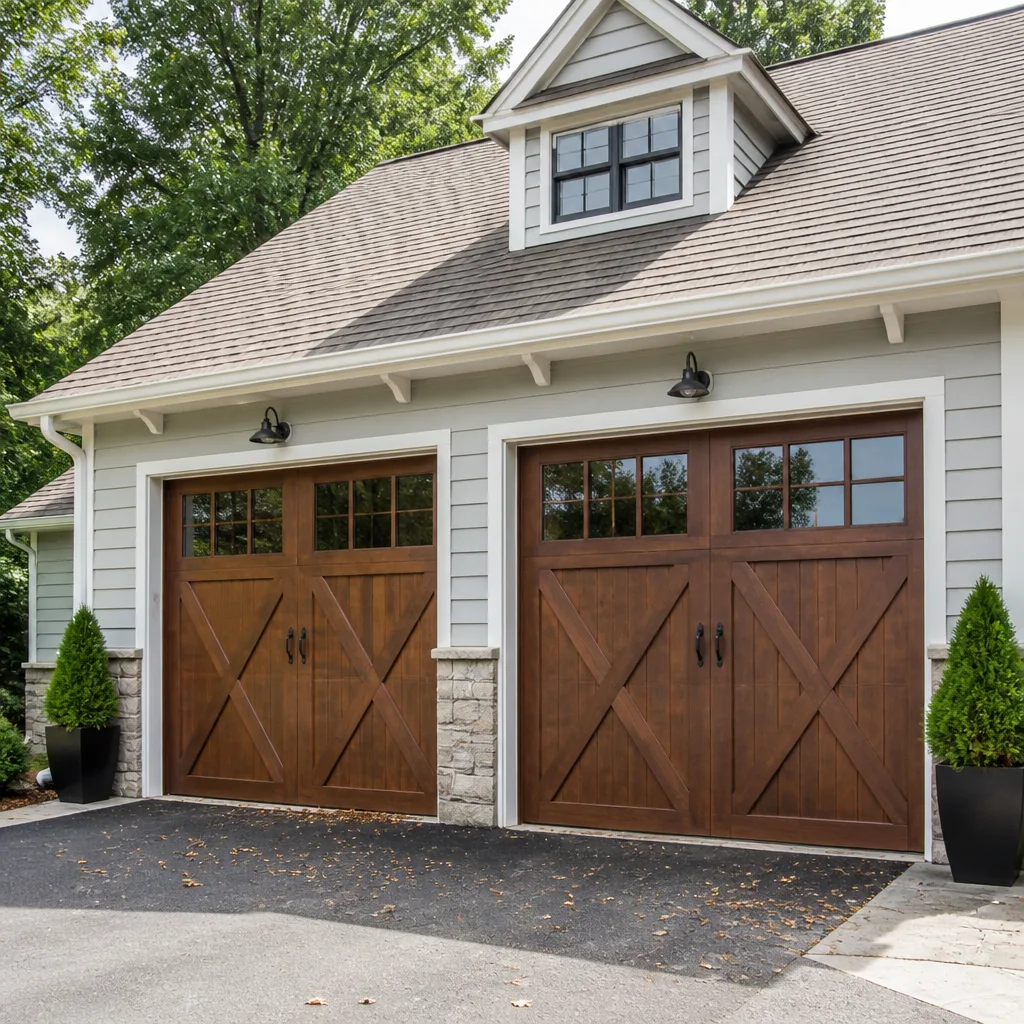 Carriage house
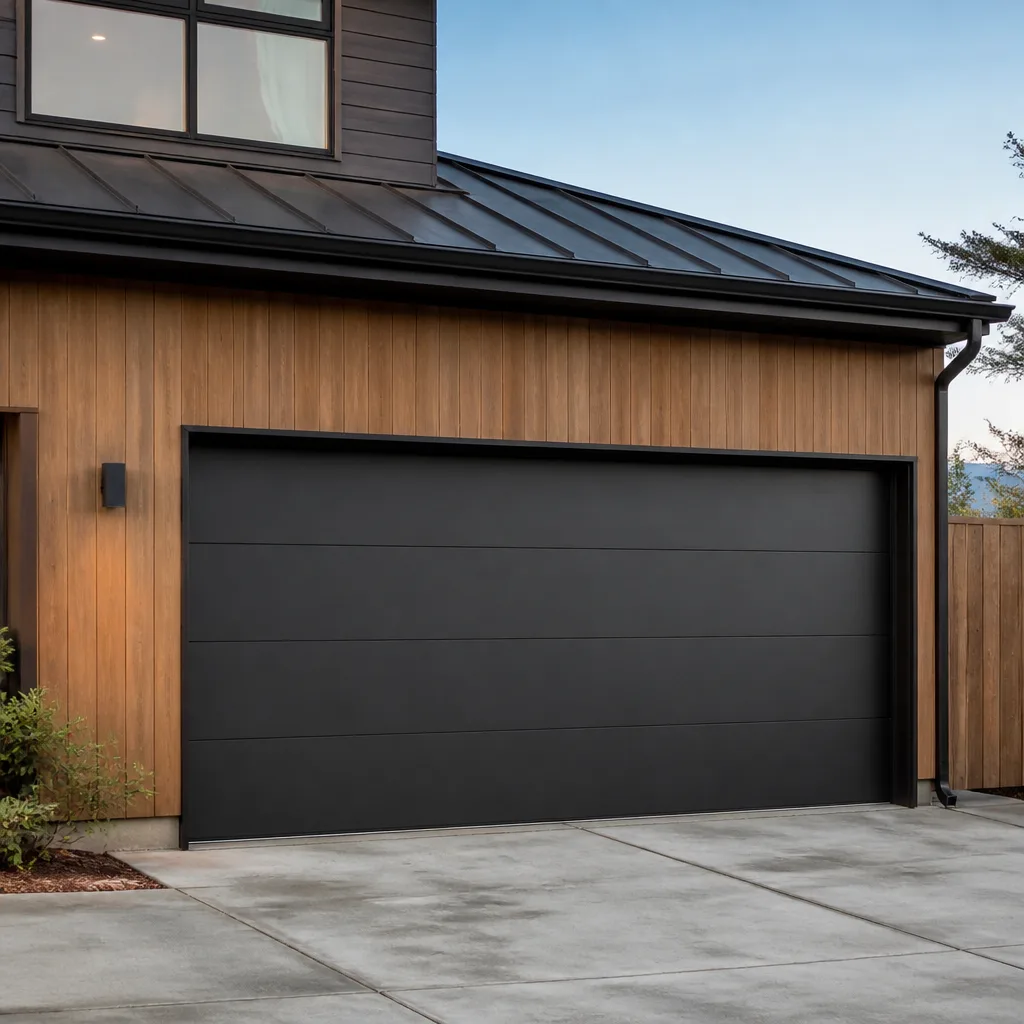 Modern flush
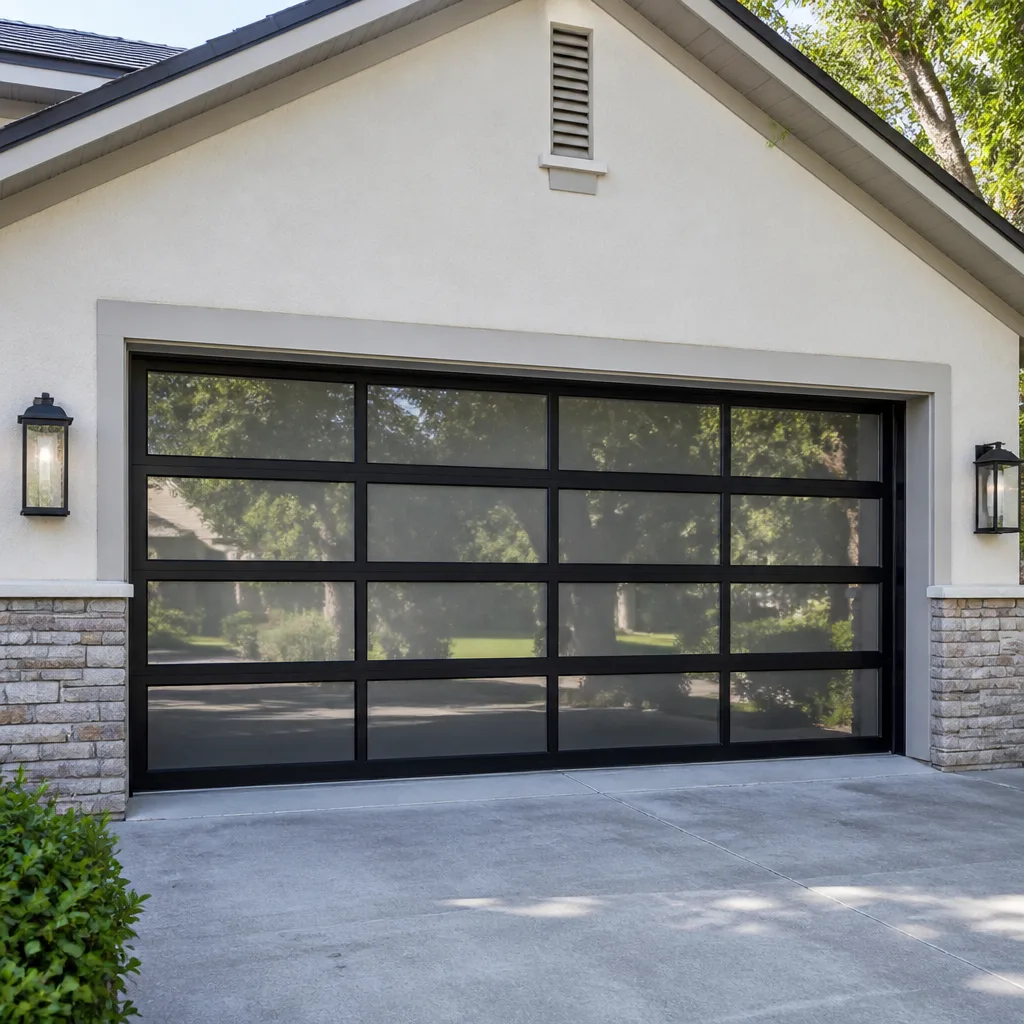 Full-view glass
 LiftMaster openers
 Chamberlain openers
Full 25-point door and opener safety check with every visit - springs, cables, rollers, tracks, and your LiftMaster or Chamberlain opener included
You get a price before we start. It does not change when the pro arrives.
Get your free estimateSeasonal Garage Door Care for Chesterfield: Year-Round Homeowner’s Guide
The month that breaks the most garage door springs in the St. Louis metro isn’t January. It’s March. Steady cold, however deep, is a load the steel was designed to carry. What actually fatigues a torsion spring is the rapid swing – 50°F on Tuesday, 22°F Thursday night, back to 60°F by the weekend – because every one of those swings moves the metal through another full expansion and contraction cycle. Chesterfield sits right in the middle of that pattern, with the river valley humidity, the clay soil, and the freeze-thaw rhythm that define this part of Missouri. This guide walks through the whole calendar, season by season, and shows you which component takes the hit when, plus what to do about it before it becomes a Monday morning problem.
Quick Answer
Garage door care in Chesterfield follows a four-part calendar: pre-winter prep in late fall (seals, lubrication, balance check), a post-winter inspection in early spring to catch freeze-thaw damage, a summer adjustment for humidity swelling and opener heat, and a fall cleanup of tracks, sensors, and hinges. A door that gets a focused check at each of those four transitions lasts noticeably longer than one that only gets attention when something breaks – and spring failures, the most expensive and most dangerous kind, are exactly what the March and November checks are designed to prevent.
Styles & brands we work with
- Raised-panel steel
- Carriage house
- Modern flush
- Full-view glass
- LiftMaster openers
- Chamberlain openers
Table of Contents
- Why Chesterfield’s Climate Hits a Garage Door Differently
- Fall Prep Before the First Hard Freeze
- Winter Operation: Cold Starts, Stiff Grease, and the Spring Load
- The March Transition Checklist
- Summer Humidity, Swollen Panels, and Opener Heat
- Fall Leaf and Debris Clearing for Tracks and Sensors
- The Chesterfield Garage Door Care Calendar at a Glance
- When to Call a Professional
Why Chesterfield’s Climate Hits a Garage Door Differently
Most national garage door guides are written for one climate and quietly assume it applies everywhere. That’s the mistake we see most often when a homeowner in Chesterfield asks why their door is squealing in July but quiet in October. The truth is that a garage door in this part of Missouri lives through four distinct stress regimes each year, and each one attacks a different part of the system.
Winter brings sub-zero wind chills and long stretches below 20°F. That’s a lubricant problem: standard grease thickens, rollers drag, and the opener motor works harder to move a door that suddenly weighs more than it did in October. Spring brings the freeze-thaw cycle, and with it the metal fatigue that catches torsion springs. Summer is a humidity story – Chesterfield’s summer dewpoints routinely sit in the 70s, and wood door sections absorb that moisture and swell. Fall is debris: leaves, seed pods, and the fine grit that accumulates in tracks and around photo-eye sensors.
Add in the local soil. Chesterfield’s clay-heavy ground expands and contracts with moisture, and a garage slab that shifts even a fraction of an inch can throw a door out of level. That’s why you’ll see doors around Chesterfield that close with a slight gap on one side in wet spring weather and close flush by August.
The key takeaway: a garage door in Chesterfield doesn’t need the same care at the same time as one in Phoenix or Minneapolis. It needs care tied to the transitions between those four stress regimes. That’s what the rest of this guide gives you.
Fall Prep Before the First Hard Freeze
The single most effective thing you can do for a Chesterfield garage door in October is inspect the bottom seal. That rubber or vinyl strip at the base of the door is your first line of defense against cold air, snowmelt, and pests, and it’s the first component to fail when the ground starts to freeze. Walk the full width of the door with a flashlight and look for cracks, flat spots, or sections peeling away from the aluminum retainer.
Here’s the sequence we recommend for late-October prep in Chesterfield:
- Inspect the bottom seal. Run your hand along the bottom edge – if you feel gaps larger than a quarter inch, the seal needs replacing before frost sets in. A cracked seal lets cold air under the door, and that cold air finds its way to the hinges.
- Choose a cold-rated lubricant. This matters more than most homeowners realize. Standard white lithium grease is fine above 40°F but turns tacky below 20°F, which is most of a Chesterfield January. A silicone-based or synthetic lubricant rated for low-temperature operation keeps rollers, hinges, and the torsion bar moving freely when the mercury drops. Never use WD-40 as a long-term lubricant – it’s a solvent, not a grease.
- Test the balance. Disconnect the opener and lift the door halfway by hand. It should stay put. If it sinks or rises on its own, the springs are out of balance, and that’s a repair to do now rather than in the middle of a snowstorm.
- Check the weatherstripping on the sides and top. Side jambs and header seals crack with age. Replacing them is inexpensive and stops the drafts that make an attached garage cold.
- Confirm the opener’s force settings. A slightly higher force setting in winter compensates for stiff grease without masking a real problem. If your opener needs a big jump in force to close the door, that’s a signal to inspect – not a signal to keep turning the dial.
One more local note: the ground frost date in the St. Louis metro area typically arrives in late November or early December, but the air temp drops well before that. Do the seal inspection while you can still kneel comfortably on the driveway. Once the ground freezes hard, replacing a bottom seal is a bigger job than it needs to be.
If you’re not comfortable on a ladder or don’t want to test spring balance yourself, this is exactly the kind of check a garage door repair visit handles in under an hour.
Winter Operation: Cold Starts, Stiff Grease, and the Spring Load
Winter is when a garage door system reveals every weakness it was carrying through the rest of the year. Cold doesn’t create problems so much as expose them. Here’s what happens to each component as Chesterfield temperatures drop into the teens and single digits.
The torsion springs load up. Steel gets stiffer and slightly more brittle in cold. A spring that was carrying the door’s weight comfortably at 45°F is now cycling under higher stress with each open and close. That’s why winter is peak season for spring failure – though as we noted earlier, the actual break often happens a few weeks later in March, when the metal has been fatigued by the cold and then gets yanked in the other direction by a warm spell.
The opener motor works harder. Cold grease means more resistance, more resistance means more current draw, and more current draw means the motor runs hotter. On a LiftMaster or Chamberlain unit with a belt drive, this is usually manageable. On an older chain drive, it can trip the opener’s internal overload protection if the door is already heavy. If your opener is straining to lift the door in January, have it looked at – the motor is telling you something.
The bottom seal gets brittle. Rubber compound hardens in cold. A seal that was supple in September can crack the first time it lifts off a frozen driveway. This is the reason we recommend replacing the bottom seal in fall rather than waiting for it to fail in January.
Wood doors contract. Yes, wood door sections shrink in winter – it’s the opposite of what happens in summer. A wood door that closes fine in August can develop a visible gap at the section joints by February. That’s normal, and it reverses in spring. Don’t tighten anything in response; you’ll just create a problem the other way in July.
A quick winter habit: before the first cold snap, run the door up and down a few times and listen. Grinding, squeaking, or a door that pauses mid-travel are all signals worth acting on before the temperature drops further. If you’re hearing a snap or pop from the torsion bar, stop operating the door and call for service – a broken spring can send the door crashing down.
The March Transition Checklist
March is the month to be paying attention. The reason is simple: metal that has been under continuous cold stress for weeks is fatigued, and then the temperature swings 30 degrees in 48 hours and the metal has to move – expand on the warm day, contract on the cold night, expand again the following week. Each cycle costs a tiny amount of spring life. It adds up, and the break often comes when the door is being used normally, with no warning.
The March checklist for Chesterfield homeowners looks like this:
- Look at both torsion springs for a visible gap. A broken spring typically shows a clean separation somewhere along its coil. If you see a gap, stop using the door immediately. Do not try to wind, unwind, or replace springs yourself – the torsion system is under extreme tension and can cause serious injury. This is a professional job, full stop.
- Check the door’s balance again. Disconnect the opener and lift the door to the halfway point. If it doesn’t hold, spring tension is off. Note whether the door hangs low on one side – that also signals cable or track problems.
- Inspect cables for fraying. Run your eyes down each cable (do not touch – just look). Frayed strands, kinks, or rust spots are red flags. Cables, like springs, are a high-tension component and need a trained technician.
- Check the tracks for frost heave damage. A shifting slab after a freeze-thaw cycle can push the vertical track out of alignment. The door should ride smoothly in the track with no binding. If it’s rubbing on one side, the track needs adjustment before it bends the door panel.
- Re-lubricate the moving parts. Spring weather is a good time to refresh hinges, rollers, and the torsion bar with a silicone or synthetic lubricant. Do this after the last hard freeze, not before.
- Test the safety reverse. Place a 2×4 flat on the ground under the door’s closing path. The door should reverse on contact. If it doesn’t, the opener’s force or travel limits need adjustment – and that’s a real safety issue for a household with kids or pets.
If anything on that list comes back as “yes, that needs attention,” get it looked at before April. Spring is the highest-risk window for garage door failures across the metro, and a garage door spring repair caught in March is a much better outcome than an emergency call in June.
Summer Humidity, Swollen Panels, and Opener Heat
Summer in Chesterfield is a humidity story before it’s a heat story. Dewpoints in the 70s are normal here, and that moisture finds its way into every gap in the garage envelope. For wood doors – Clopay and Amarr both make beautiful wood and wood-composite doors that are common in this area – that humidity causes real trouble. The wood sections swell at the joints, the door develops a bind, and the opener starts straining.
The adjustment sequence if you notice a wood door binding in summer:
- Identify which sections are binding. Open the door halfway and look at the gaps between panels. The swollen section usually shows a tighter gap than the others.
- Check the hinge screws on that section. Swelling can push the hinge slightly out of the wood; re-tightening the screws will often relieve the bind.
- Loosen the track’s horizontal adjustment slightly. A small outward adjustment on the track bracket (a quarter inch often does it) gives the door room to expand without binding. Overcorrect and you’ll have a rattle in October when the wood contracts again.
- Do NOT plane, sand, or cut the wood. Any material you remove in summer leaves a permanent gap in winter. The right fix is adjustment, not removal.
- Consider a dehumidifier in the garage. If the humidity in your garage is routinely above 60%, a small dehumidifier will slow the swelling and protect your tools at the same time.
Then there’s the opener. On a 100°F August afternoon, many openers will refuse to run – the motor hits its thermal cutout and stops. That’s a safety feature, not a failure. Once the motor cools (usually 15 to 30 minutes), the opener will start working again. If it’s happening regularly, the cause is usually one of three things: the opener’s force setting is too high, the door is unbalanced, or the motor is nearing the end of its service life. A Genie or Chamberlain opener that cuts out on hot days but works fine in cool weather is telling you the motor is running hot, and that’s a diagnostic worth doing before it fails on a day you need it.
Fall Leaf and Debris Clearing for Tracks and Sensors
Missouri’s fall brings a specific problem that most national garage door guides skip: leaf debris in the tracks and around the photo-eye sensors. The very fine grit that comes off decaying leaves works its way into the roller track, and it acts like sandpaper on the bearing surfaces. It also blocks the photo eyes – the small sensors mounted on each side of the door near the floor.
Here’s the fall cleanup routine we recommend:
- Sweep the tracks. Use a stiff brush or a shop vac with a crevice tool. Work from the top of each vertical track down to the floor, pulling debris out of the channel. Don’t use WD-40 as a “cleaner” – it attracts more debris.
- Wipe the eye sensors with a soft cloth. A leaf or a coat of dust on the eye is the most common cause of a door that won’t close. If the door goes down a few inches and reverses, suspect the eyes first.
- Check the sensor alignment. Each eye should have a small LED indicator. If one is solid and the other is blinking (or off), the beam is misaligned or blocked. Adjust the bracket gently until both LEDs are steady.
- Clear the door’s travel path. Rake leaves away from the base of the door, especially where the seal meets the ground. Wet leaves against the seal accelerate rot on wood doors and rust on steel ones.
- Check the hinges for debris. Leaf grit builds up in hinge joints over the summer. A quick wipe and a dab of silicone lubricant keeps them quiet through the fall.
Do this once in late October and once more after the last big leaf drop in November, and by the time winter arrives the tracks and sensors are clear and ready for the cold.
The Chesterfield Garage Door Care Calendar at a Glance
If you remember nothing else from this guide, remember these four windows. Each is tied to a specific transition in the Chesterfield climate calendar, and each protects a different part of the system.
- Late October / early November (before the first hard freeze): Bottom seal inspection and replacement, cold-rated lubricant application, balance test, side weatherstripping check, opener force setting confirmation. This is the single most important service window of the year in this climate.
- January / February (deep winter): Listen for new noises, watch for doors that pause or reverse, and avoid heavy use if the door sounds strained. No new maintenance is needed unless something changes – just pay attention.
- March (freeze-thaw transition): Torsion spring gap inspection, balance re-test, cable visual check, track alignment check after frost heave, re-lubrication after the last hard freeze, safety reverse test. This is the highest-risk window for failures, so don’t skip it.
- July / August (peak humidity): Wood panel swelling and bind check, hinge screw tightening, track horizontal adjustment if binding, opener thermal cutout behavior watch, garage dehumidification. If your opener is cutting out on hot days, get it looked at.
- Late October / November (fall cleanup): Track sweep, photo-eye wipe and alignment check, leaf clearing from the door base, hinge cleaning, and then loop back to winter prep.
Notice that two of the five windows fall in October and November. That’s not a coincidence. Chesterfield’s climate concentrates the highest-risk transitions in the late fall and early spring, and the two prep seasons (fall and spring) are exactly when you want a technician looking at the door.
Common Mistakes to Avoid
- Using WD-40 as a garage door lubricant. It’s a solvent, not a grease. It works for a week and then attracts dust and grit that wears the rollers faster. Use a silicone or synthetic lubricant rated for the local temperature range.
- Greasing the tracks. This is one of the most common errors we see. Tracks should be dry and clean – lubricant in the track attracts grit and causes binding. Only the rollers, hinges, and torsion bar need grease.
- Ignoring a slow-closing or slow-opening door in winter. A door that hesitates in cold weather is telling you the grease is wrong, the spring is out of balance, or the opener is straining. Left alone, it becomes a February failure.
- Replacing a bottom seal with the wrong thickness. Chesterfield homes sit on slabs of varying height, and the retainer groove only accepts a specific seal profile. A seal that’s too thick will lift the door slightly off the ground and let cold air under; too thin and it won’t seal at all.
- Adjusting the track with a hammer. Tracks are thin-gauge steel and bend easily. Even a small bend will cause the door to bind. Adjustment should be done with a wrench on the bracket, not by hitting the track.
- Attempting spring or cable work. Torsion springs and lift cables are under extreme tension and can cause serious injury. We can’t say this strongly enough: this is not a DIY job. Call a professional.
- Skipping the March inspection because the door “feels fine.” Spring failure is often preceded by no obvious symptom. The whole point of the March check is to catch the invisible fatigue before it becomes a break.
See the difference
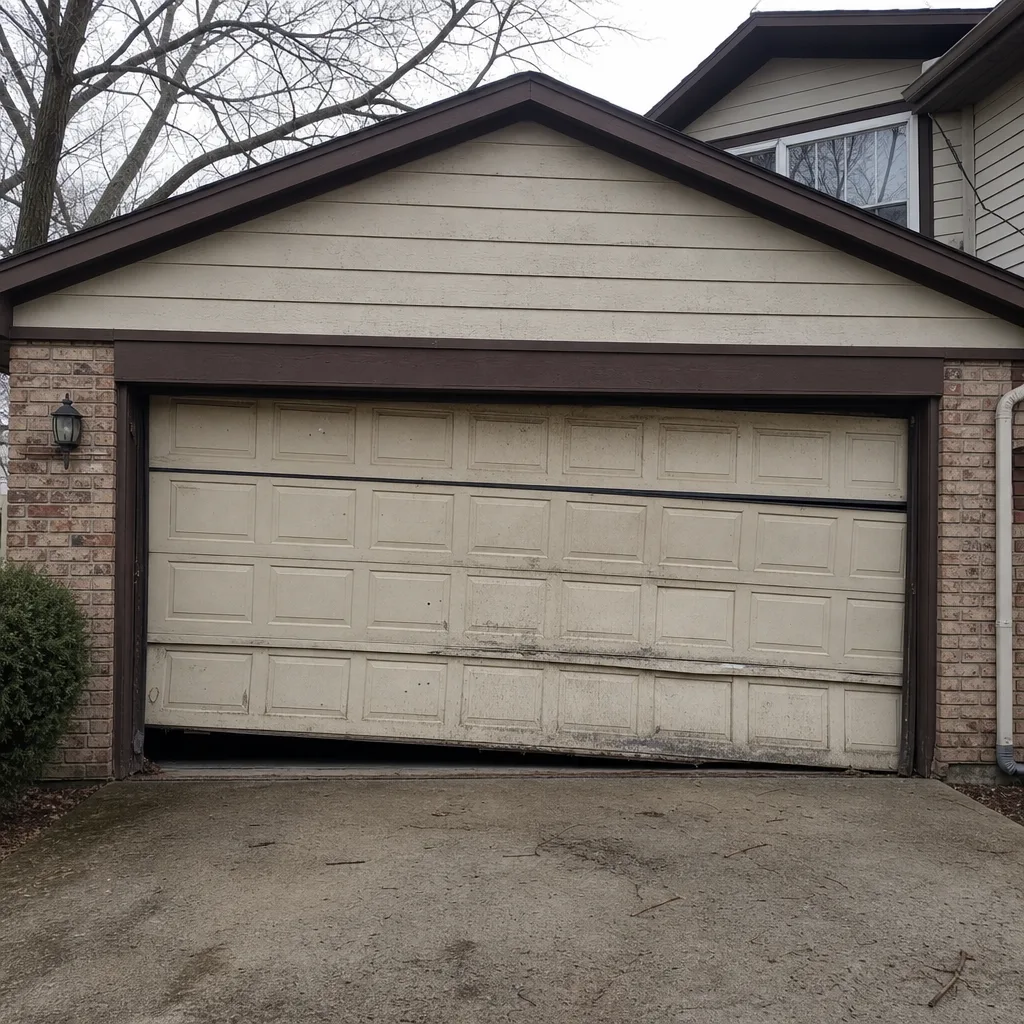 Before
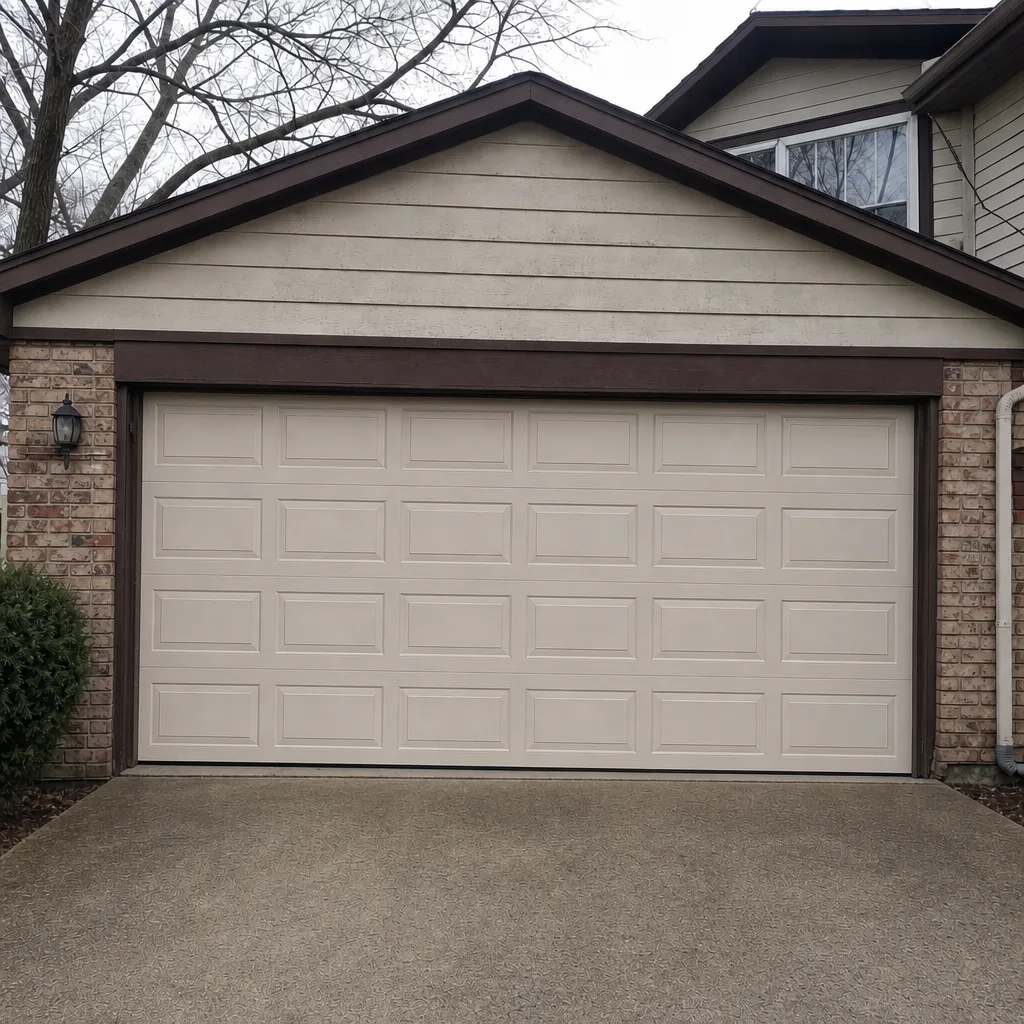 After
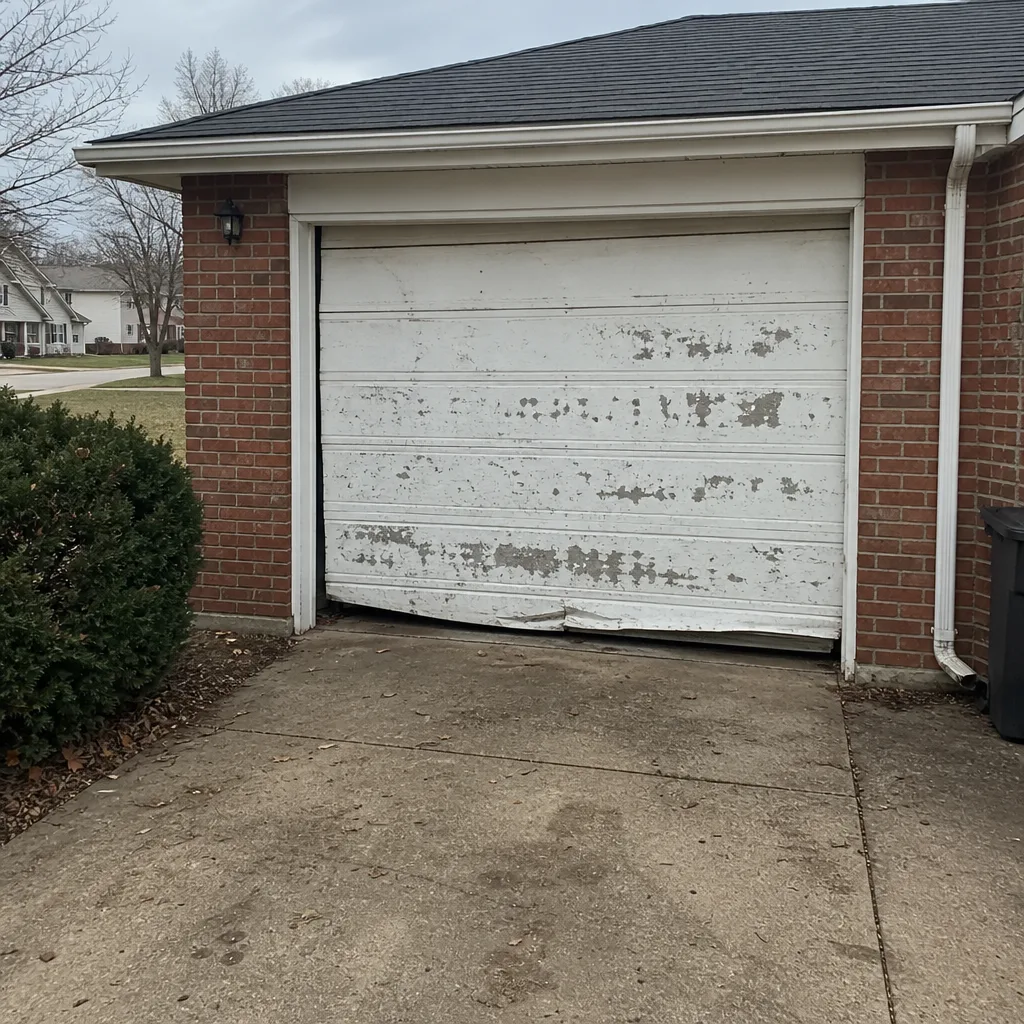 Before
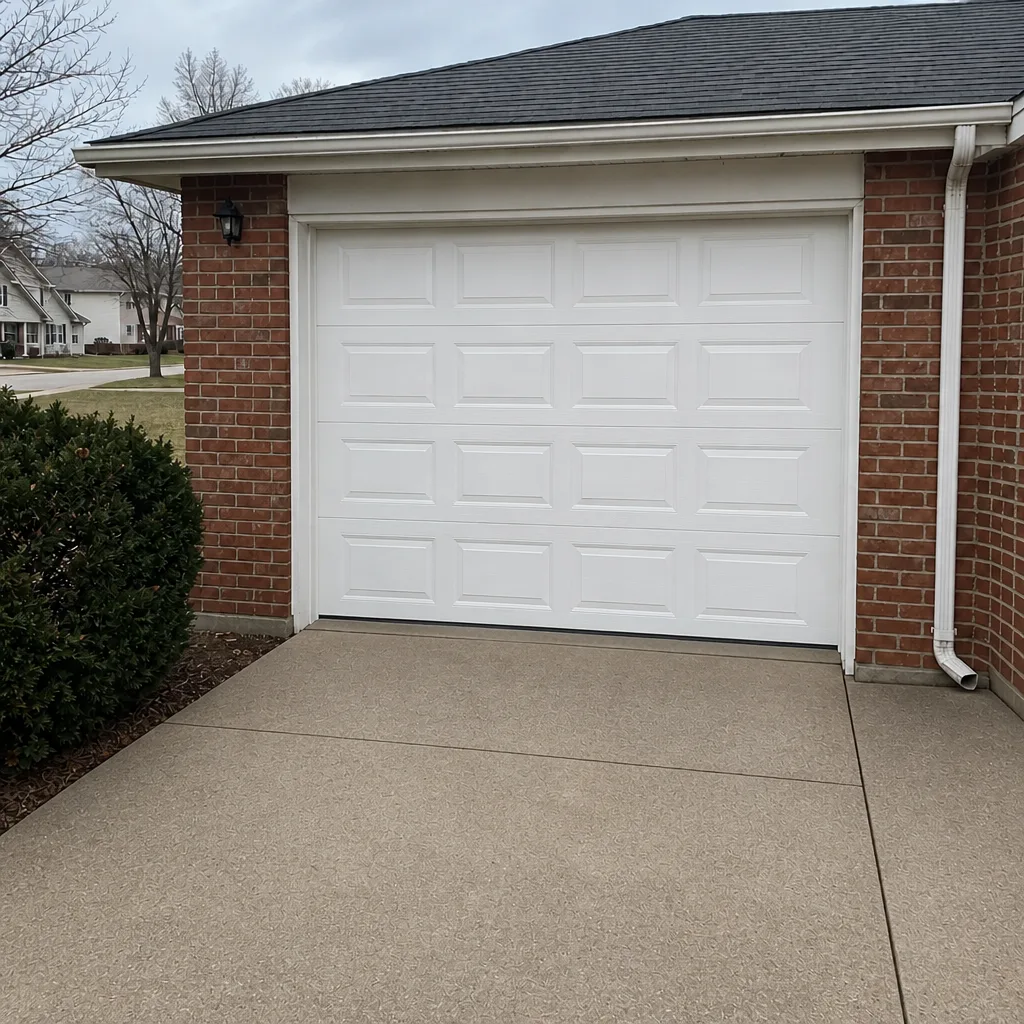 After
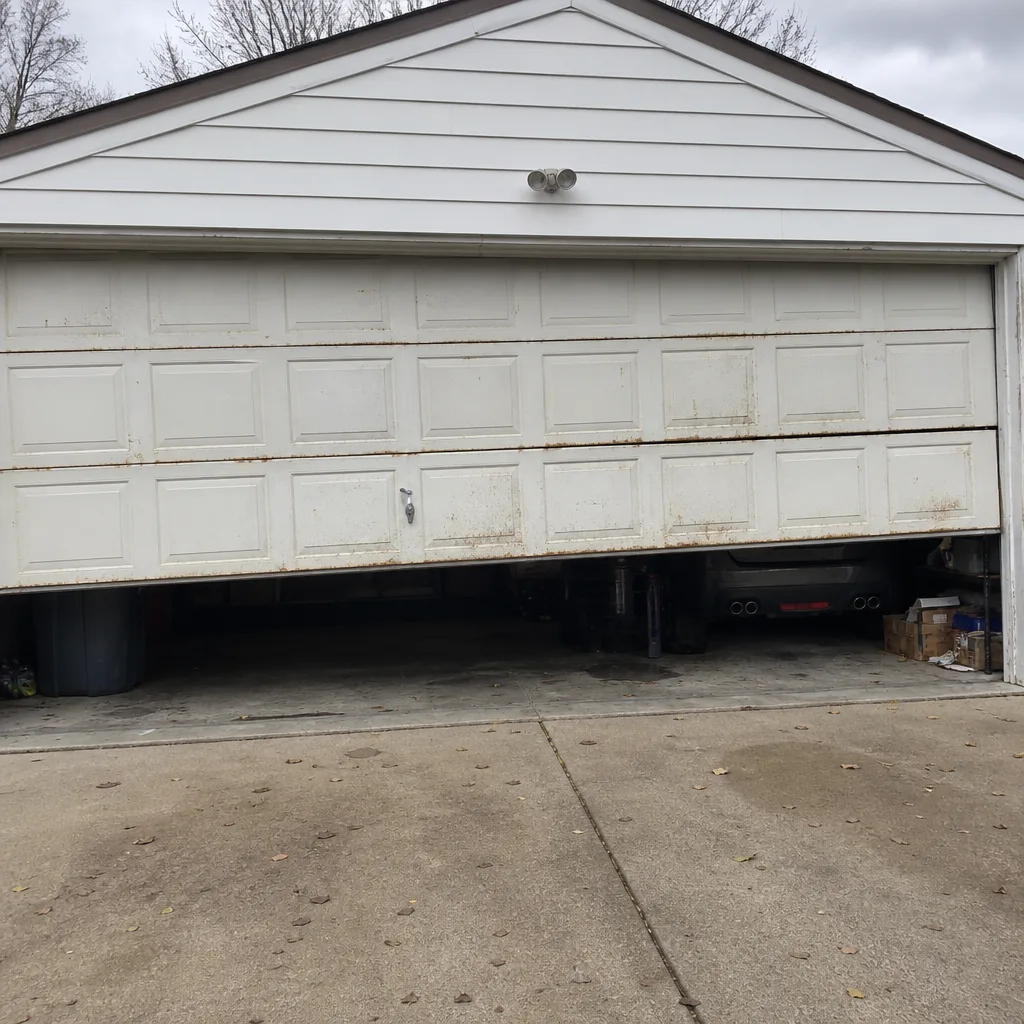 Before
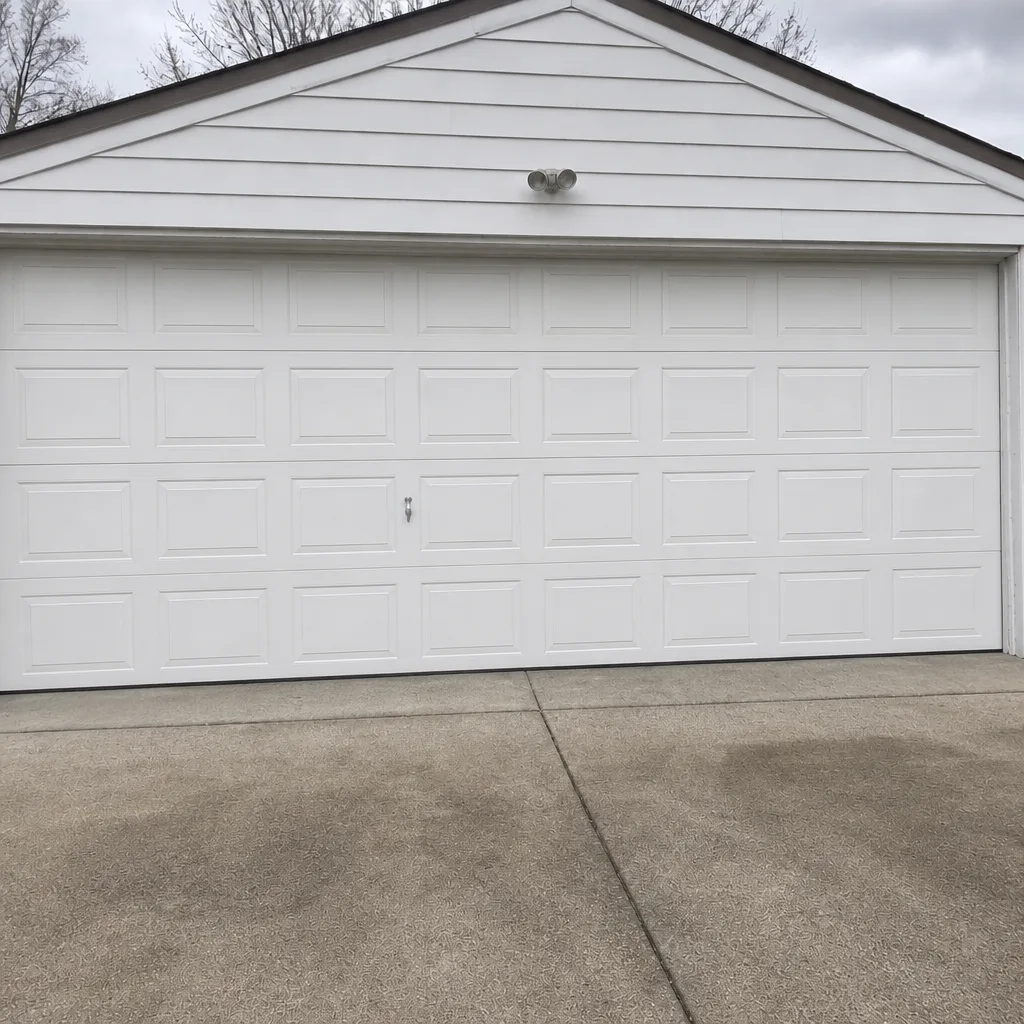 After
When to Call a Professional
Some seasonal care is a homeowner task – lubricating hinges, sweeping tracks, wiping sensors, and testing the safety reverse. Others are professional work, and it’s worth knowing the difference. Call a professional if you hear a loud snap from the torsion bar, if you see a visible gap in a spring, if the door hangs low on one side, if it reverses before hitting the ground, if the opener is straining or cutting out, if the door is visibly out of its track, or if you’re not comfortable testing balance or inspecting cables yourself. Spring and cable work is the highest-risk part of the whole system, and it’s not something to attempt.
Chesterfield Garage Door Repair Pros offers free estimates in Chesterfield – call (833) 509-5341. Our technicians have up to 10 years of experience and work on your exact system across the major door and opener brands, including LiftMaster, Chamberlain, Genie, Clopay, Amarr, Wayne Dalton, Craftsman, and Raynor. From an garage door opener repair to a full new-door installation, we handle it as a single-source specialist.
Frequently Asked Questions
Late October and early November, before the first hard freeze. That’s when a technician can replace the bottom seal, apply the right cold-rated lubricant, check spring balance, and confirm the opener’s force settings are right for winter. A close second is early March, when the freeze-thaw cycle is most active and spring fatigue is highest. Both windows catch the highest-risk transitions in the Chesterfield calendar.
Because March is when metal fatigue from the whole winter’s cold suddenly gets cycled in the other direction by warm spells. Rapid temperature swings – 50°F one day and 25°F three days later – work the metal through full expansion and contraction cycles in a way that steady cold doesn’t. Chesterfield sits right in that pattern, which is why late winter and early spring are peak failure season across the metro.
You can lubricate the hinges, rollers, and torsion bar yourself – that’s a homeowner task. Use a silicone or synthetic lubricant rated for cold weather, not WD-40. Do not touch the springs, cables, or track adjustment, which are professional work. If lubricating doesn’t quiet the door, that’s a signal to have it looked at.
Humidity. Chesterfield’s summer dewpoints routinely sit in the 70s, and wood door sections absorb that moisture and expand at the joints. The fix is adjustment – re-tightening hinge screws and a small horizontal track adjustment – not sanding or planing, which would leave a permanent gap in the winter when the wood contracts back.
It’s most likely the opener’s thermal cutout, a safety feature that stops the motor when it runs too hot. Once it cools (usually 15-30 minutes), it will run again. If it’s happening regularly, the cause is usually an over-high force setting, an unbalanced door, or a motor nearing end of life. A Genie or Chamberlain opener that cuts out on hot days is worth a diagnostic before it fails completely.
Yes – the local professionals we connect you with are licensed and insured as their state requires. We work on your exact system across major brands, and every price is quoted and agreed before any work starts. Call (833) 509-5341 for an exact quote – estimates are free.
The Bottom Line
Garage door care in Chesterfield isn’t a single annual task – it’s four focused checks tied to the transitions in the local climate. Fall is for seals, lubricant, and balance; winter is for paying attention to the door’s sounds; March is for the spring and cable inspection that catches freeze-thaw damage; summer is for wood swelling and opener heat; fall again is for track and sensor cleanup. Do those checks and you’ll avoid the emergency calls that happen when a component that’s been telling you something finally gives way. When a check comes back with something you’re not sure about, call us. Our technicians have up to 10 years of experience, we treat spring repair as its own specialty, and we handle everything from the smallest opener fix to a full new-door installation. Call (833) 509-5341 for a free estimate.
If you’re hearing a snap, seeing a gap in a spring, or watching your door hang crooked, don’t wait for the seasonal window. Emergency response is a named offering at Chesterfield Garage Door Repair Pros, not an upsell – when your door won’t move and your car is trapped inside, call (833) 509-5341 and we’ll get a technician out to look at it. For less urgent work, the same number gets you a free estimate and a written price before anything starts.
Written by the team at Chesterfield Garage Door Repair Pros.