Last updated November 22, 2026
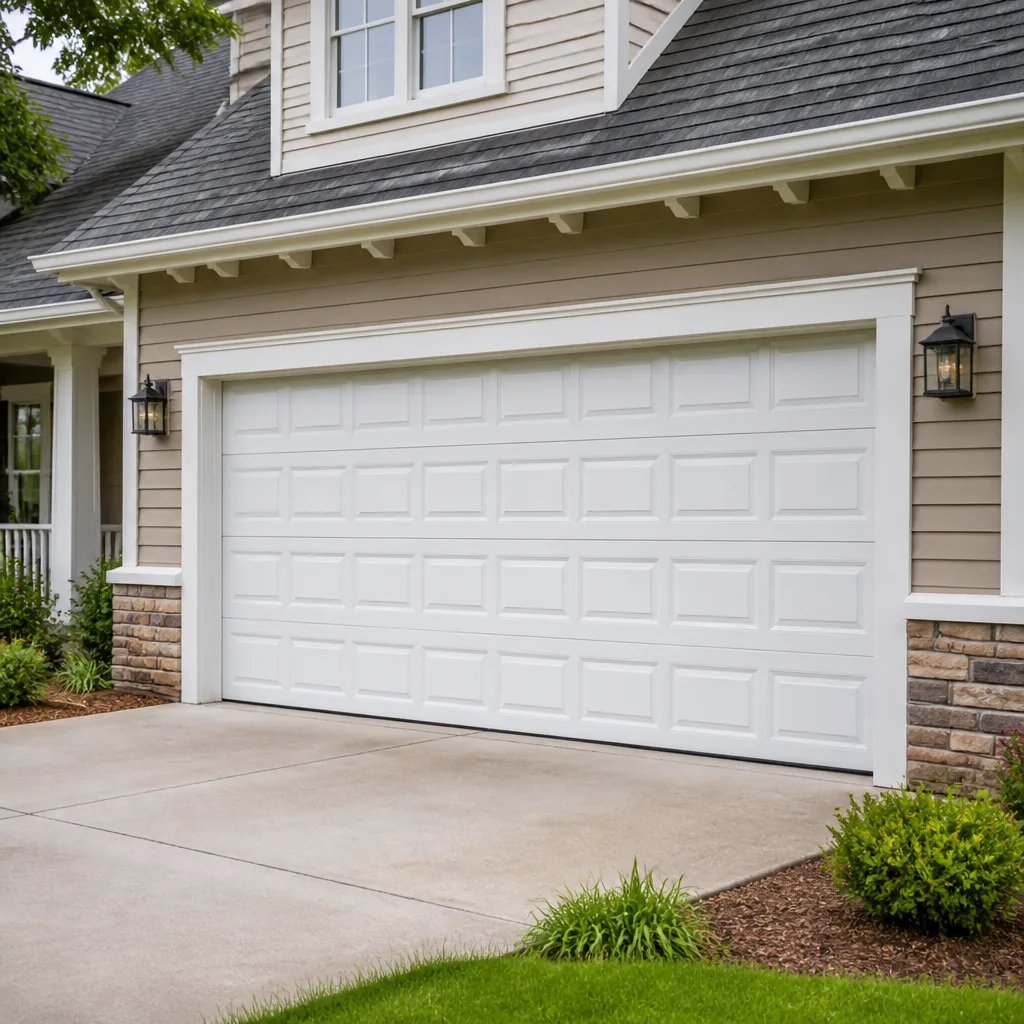 Raised-panel steel
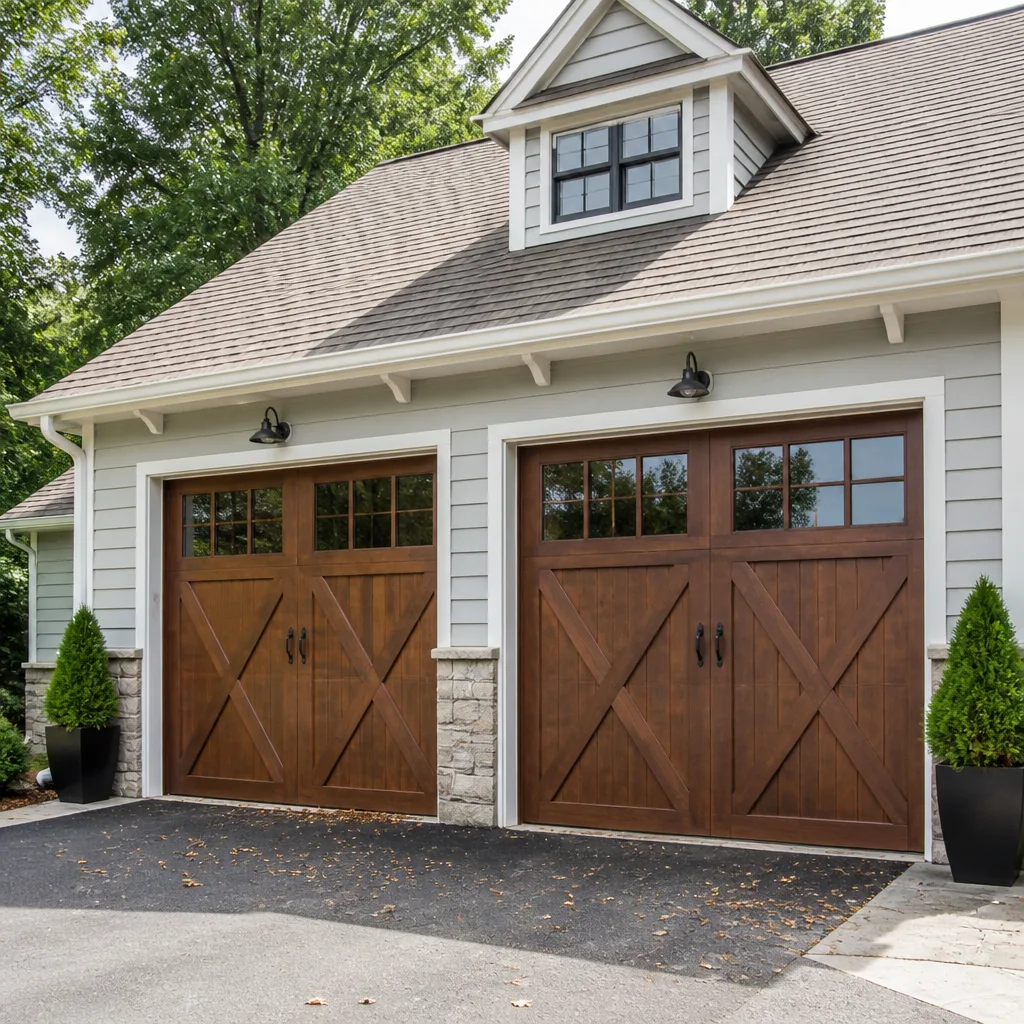 Carriage house
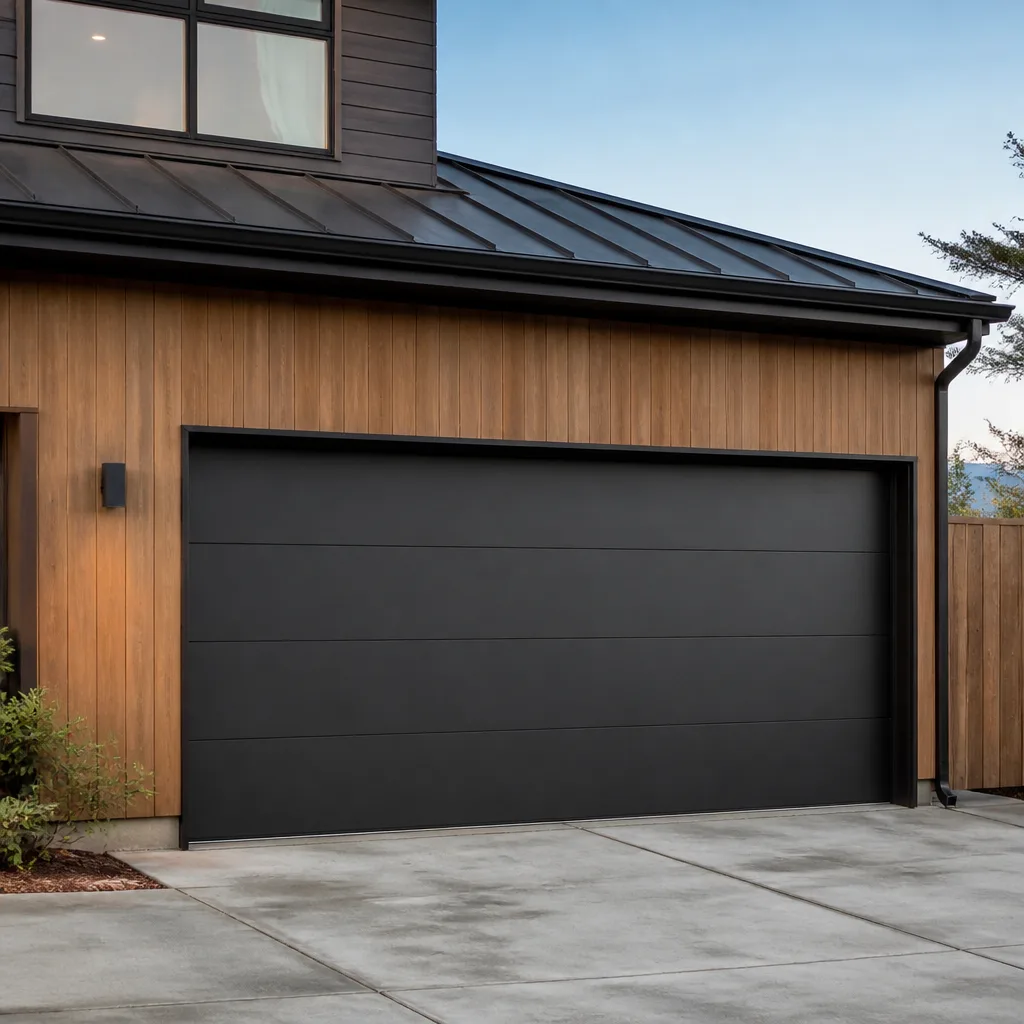 Modern flush
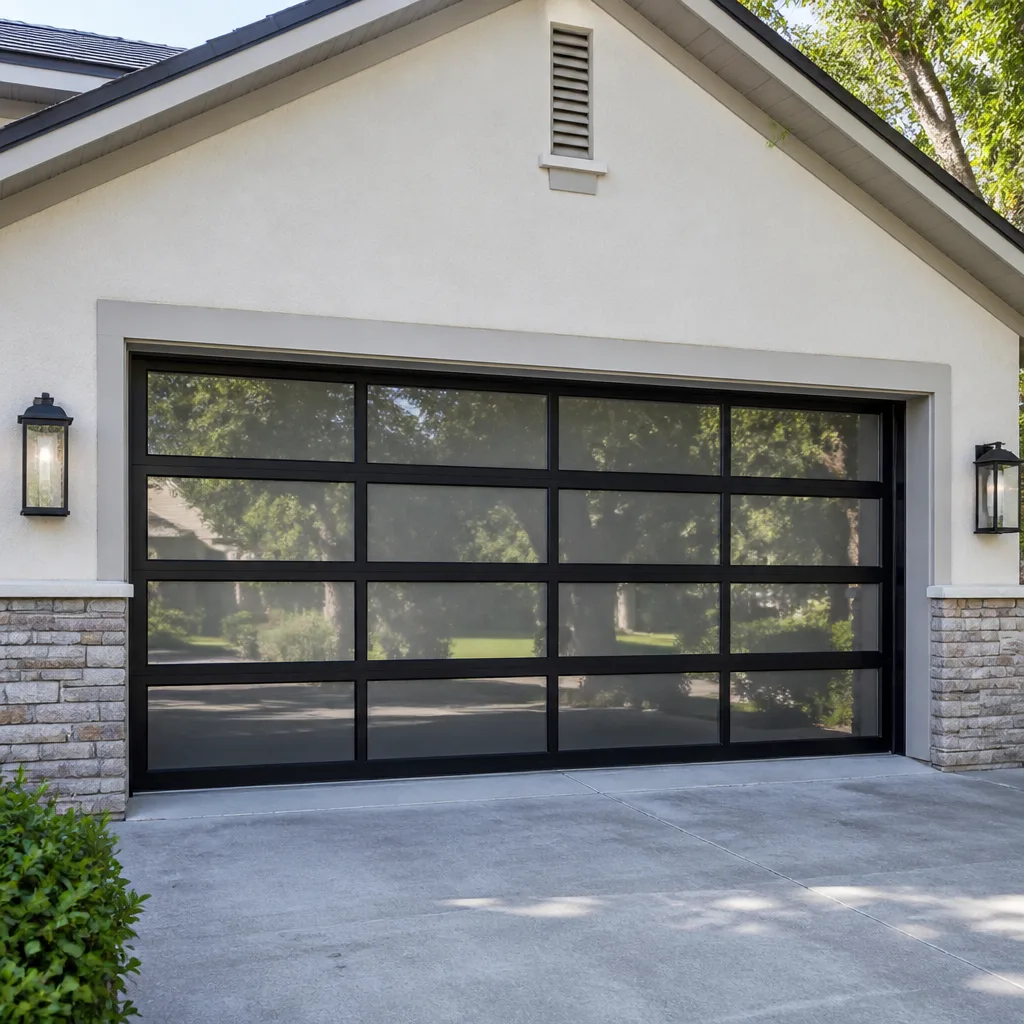 Full-view glass
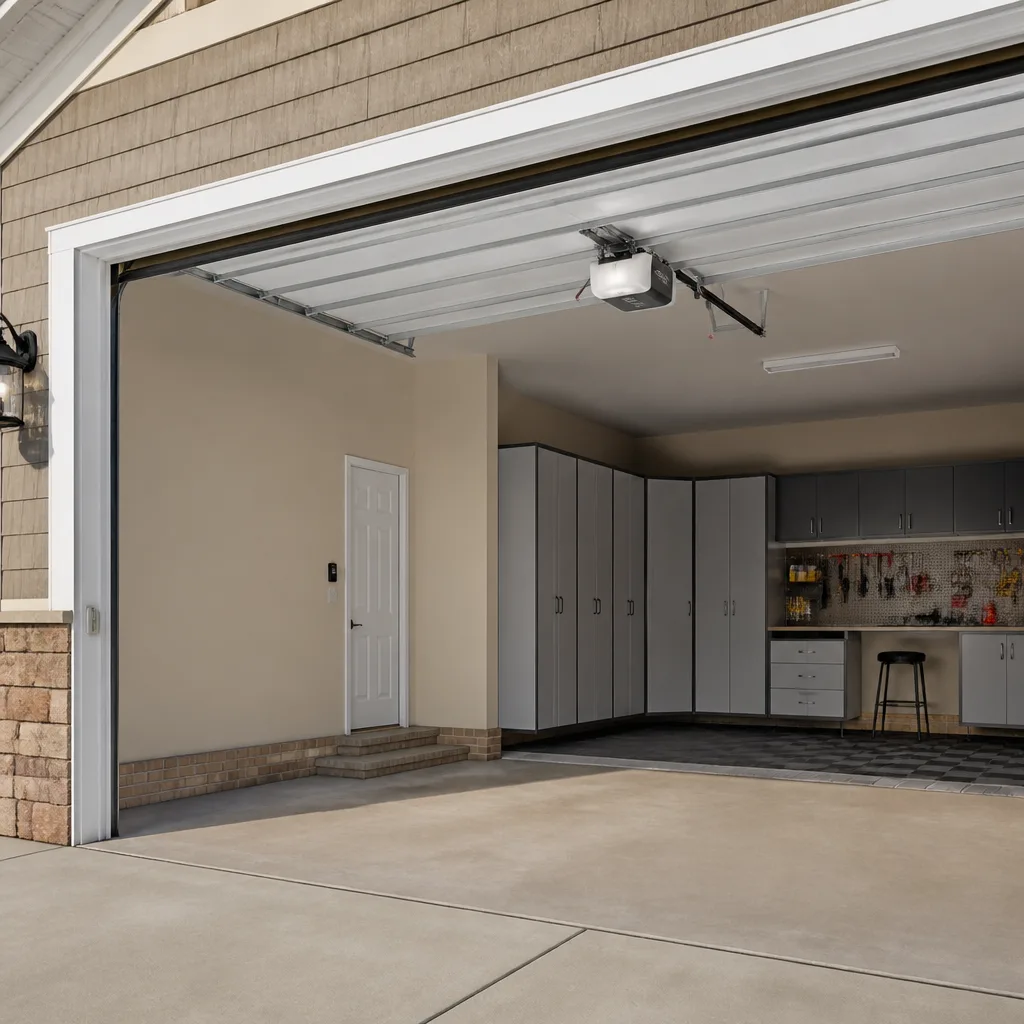 LiftMaster openers
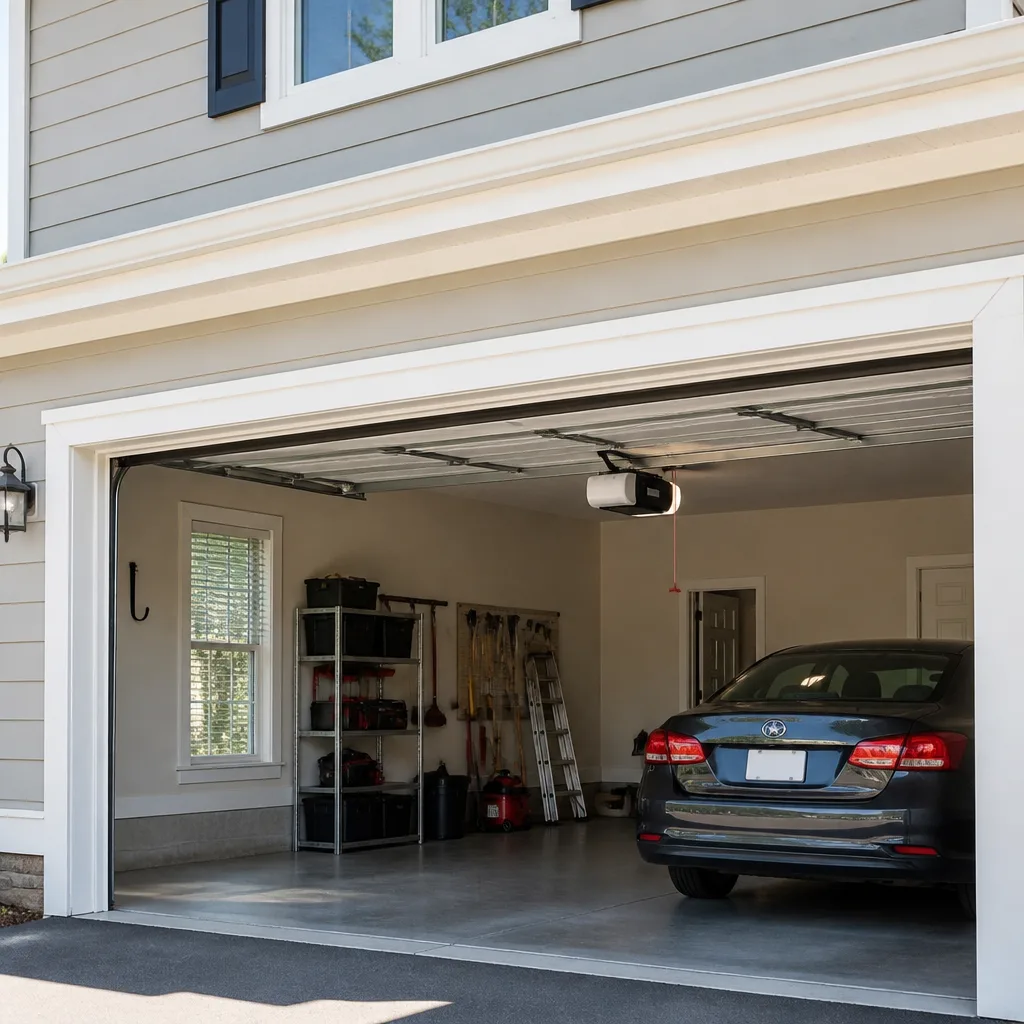 Chamberlain openers
Full 25-point door and opener safety check with every visit - springs, cables, rollers, tracks, and your LiftMaster or Chamberlain opener included
You get a price before we start. It does not change when the pro arrives.
Get your free estimateThe Complete Guide to Garage Doors in Chesterfield
Most Chesterfield homeowners make garage door decisions the same way they buy a refrigerator: by price tag and curb appeal, then hope for the best. That approach works fine for an appliance that sits in a climate-controlled kitchen. It falls apart for a garage door, because in Chesterfield the door faces 100-degree summers, single-digit cold snaps, driving hail, and the constant expansion and contraction that comes with the freeze-thaw cycle of a Missouri winter. The wrong steel gauge or a cheap bottom seal will fail years before the door itself does. This guide walks through the whole decision landscape – materials, subdivision-era constraints, HOA covenants, repair-versus-replace calls, and opener compatibility – so your next choice is informed rather than accidental.
Quick Answer
A garage door in Chesterfield should be selected for the local freeze-thaw cycle, matched to your subdivision’s construction era and HOA covenants, and paired with an opener that was engineered for that specific door weight and drive type. Repairing a single failed component – a spring, a cable, an opener motor – is usually the right call when the door panels, tracks, and hardware are structurally sound. Full replacement makes sense when the door is physically compromised or the cost of repair approaches the price of a new installation. Either way, the decision starts with a diagnostic assessment, not a showroom visit.
Styles & brands we work with
- Raised-panel steel
- Carriage house
- Modern flush
- Full-view glass
- LiftMaster openers
- Chamberlain openers
Table of Contents
- How a Garage Door Actually Works
- How Chesterfield’s Climate Shapes the Right Door
- Matching a New Door to Your Subdivision’s Era
- Repair or Replace: The Diagnostic Questions
- Opener Compatibility: What Big-Box Stores Miss
- HOA Covenants in Wildhorse and Baxter
- Springs, Cables, and the Safety Line
- Maintenance That Actually Matters
How a Garage Door Actually Works
A garage door is not a single mechanism – it’s a coordinated system of springs, cables, pulleys, rollers, hinges, and a drive unit that all have to stay in balance. When one part wears out, the door doesn’t just stop; it can shift its entire geometry overnight.
Here’s the sequence of what happens when you press the button:
- The opener motor turns, pulling the drive system (belt, chain, or screw) along a rail.
- The trolley on that rail pushes or pulls the door’s top section.
- As the door lifts, torsion springs (mounted on a shaft above the door) or extension springs (mounted on either side) unwind, releasing stored energy that counterbalances the door’s weight.
- The door travels up its tracks on rollers, folding back into the horizontal position overhead.
- On the way down, the springs rewind, storing the energy needed for the next lift.
This is why a broken spring is such a serious failure – the motor suddenly has to lift a 150-to-250-pound door with no assistance, which is where burned-out motors and snapped cables come from. Chesterfield homes on the older, 1980s side of town often still carry extension springs, while newer subdivisions lean almost entirely toward torsion systems. Knowing which system is on your door changes the diagnostic conversation entirely.
How Chesterfield’s Climate Shapes the Right Door
The single biggest factor in garage door longevity in Chesterfield is the freeze-thaw cycle. Summers push steel panels to hot enough temperatures that they expand measurably; winters bring the opposite. Every spring and fall, that expansion and contraction runs hundreds of cycles through panel joints, hinges, and seal channels. A door built for a mild coastal climate will not last as long here as one engineered for a continental Midwest cycle.
Three material choices matter most:
- Steel gauge. The lower the gauge number, the thicker the steel. A 24-gauge door is common on builder-grade installations and will dent from a stray basketball or a lawnmower bumper. A 25-gauge door is thinner and even more prone to dents. A 27- or 28-gauge door is thicker still – for homes in windy, exposed lots on Chesterfield’s western edge, that thicker steel is worth the difference.
- Insulation and thermal breakage. A non-insulated steel door in a Missouri winter becomes a condensing surface on the inside face, dripping onto the door hardware and the floor. An insulated door with a thermal break in the panel edge reduces that condensation and keeps the attached garage (and the room above it) closer to comfortable.
- Bottom seal material. Vinyl seals crack and harden in cold weather; EPDM rubber seals hold up better across a full freeze-thaw season. On a Chesterfield driveway, the seal takes the brunt of snow melt, ice, and salt spray from boots and vehicles – a cheap vinyl seal is a spring replacement waiting to happen, because a leaking seal lets water freeze into the track and roller channel.
Any local installer who doesn’t ask about the door’s sun exposure, the lot’s wind exposure, or the attached garage’s insulation is skipping the questions that decide how long your door lasts.
Matching a New Door to Your Subdivision’s Era
Chesterfield’s housing stock breaks into three broad construction eras, and each creates its own set of replacement constraints. Understanding which era your home belongs to is the first step in narrowing down the door styles that will actually look right – and the ones your neighbors and HOA will accept.
1980s ranch homes
These homes typically have a single wide garage door on a low, flat-front elevation. The original doors were often 24-gauge steel with extension springs and a builder-grade opener. When the door needs replacing, the challenge is that the opening’s header and jamb dimensions assume a standard single door, so anything with a decorative overlay panel or a higher-pitched style may not clear the driveway approach. Replacement often defaults to a flush or raised-panel steel door in a color matching the trim.
1990s colonial homes
Colonials in Chesterfield often have two single doors or one double door beneath the front bedroom windows. The original doors on these homes commonly carried a raised-panel pattern and were produced by manufacturers like Clopay and Amarr. Because the doors sit under a window and are visible from the street, replacement choices tend to lean toward panel patterns that echo the window muntins. Insulation matters more here, because the room over the garage is often a bedroom.
2000s Craftsman-style homes
The 2000s subdivision era introduced carriage-house and Craftsman door designs, often with decorative hardware, arched panels, and a painted finish rather than a factory-baked one. Replacement on these homes usually means matching an existing carriage style, and the paint color must match the home’s exterior palette – a color change is a bigger decision here than on a flush-panel door because the door is a visual centerpiece.
Our technicians have up to 10 years of experience working across Clopay, Amarr, Wayne Dalton, and Raynor door lines, so we read the door’s construction and match the replacement to the home rather than to whatever’s in stock.
Repair or Replace: The Diagnostic Questions
Here’s the question we hear most in Chesterfield: “Do I fix this, or do I start over?” The answer depends on a short set of diagnostic questions. Run through these before anyone quotes you a replacement.
- Is the structural frame sound? Look at the vertical tracks, the horizontal tracks, and the panel sections themselves. Rust-through, cracked panel skins, or bent track sections on multiple sides are replacement signals. A single dented bottom panel is not.
- Is the failure isolated or systemic? A snapped spring is a component-level repair. A door that shimmies, binds, and sags in two directions at once usually has multiple failures layered together.
- Is the door leaking air or water at the perimeter? A worn bottom seal is a component-level fix. A door whose panels no longer meet the jamb because the panels have warped is not.
- Does the opener still match the door’s weight? If the door has been replaced with a heavier insulated panel but the opener is original, the opener is likely straining – which is a separate repair conversation.
- Has the door been repainted multiple times? Repeated repainting on a steel door can trap moisture and accelerate rust at the joints.
- Is the cost of the needed repairs approaching the price of a new installation? This is the only question where the two numbers actually matter, and it’s why we quote the repair before we quote the replacement.
In our experience, most Chesterfield doors that reach us are repair candidates – the spring, cable, or opener fails before the door frame does. Component-level garage door repair is often the right answer long before replacement is.
Opener Compatibility: What Big-Box Stores Miss
Buying a door from a big-box store and then buying an opener separately is the single most common way Chesterfield homeowners end up with a mismatched system. Openers are not universal – they are engineered for a specific door weight, drive type, and travel distance, and pairing them wrong shortens both lifespans.
Three compatibility points get overlooked most often:
- Lift force headroom. Every opener is rated for a maximum door weight. A bargain opener rated for a light 24-gauge door will not last on a heavy insulated double door, even if it lifts it on day one. The motor will run hot and fail early.
- Drive system length vs. door height. Rail length must match the door’s travel. A seven-foot door needs a shorter rail than an eight-foot door, and most buyers never check.
- Smart-home integration and safety sensors. Modern operators expect to communicate with a specific app ecosystem and specific safety-sensor generations. Buying a LiftMaster or Chamberlain opener without confirming which sensor generation is on your door is a common mismatch, and it means the installer has to replace the sensor too.
This is where brand fluency matters. Our technicians are trained across LiftMaster, Chamberlain, Genie, and Craftsman drive systems – the four opener brands that cover the overwhelming majority of Chesterfield homes – so we diagnose by the actual system rather than guessing at compatibility after the fact.
HOA Covenants in Wildhorse and Baxter
In communities like Wildhorse and Baxter, the garage door is not just a functional object – it’s an architectural feature subject to covenant review. Most Chesterfield HOAs within these subdivisions require architectural review board approval before a homeowner changes the door’s material, color, or panel style. The review usually examines:
- Material. Some covenants require steel or wood-composite doors and disallow certain aluminum or glass-panel styles on street-facing elevations.
- Color. The door color often has to match the trim, the roof tone, or a palette specified in the covenant documents – not just the body color of the house.
- Panel pattern. Carriage-house and Craftsman patterns are frequently approved in the 2000s-era sections of Baxter but may be rejected on older sections where raised-panel doors are the established norm.
- Hardware. Decorative hinges, handles, and strap hardware are sometimes specifically addressed in the covenants, sometimes silent. When silent, homeowners should still request approval in writing before installation.
The practical advice: pull your subdivision’s architectural guidelines before you order a door. A door that arrives on the truck and gets rejected by the board is a door that gets returned, and the installation timeline resets. We can’t speak for your HOA, but we can quote and install a door that fits the covenant requirements you bring us.
Springs, Cables, and the Safety Line
Torsion springs are under extreme tension – the kind that can cause serious injury in an instant. If you hear a bang from the garage and the door won’t lift, the spring has almost certainly snapped, and it is not a job for a homeowner with a wrench and a YouTube tutorial. Cable replacement carries the same risk. The counterbalance system is engineered to hold hundreds of pounds of stored energy, and releasing it improperly is genuinely dangerous.
What you can safely do when a spring fails:
- Leave the door in the closed position and don’t force it up by hand.
- Unplug the opener so no one can accidentally cycle the door.
- Do not cut or remove the broken spring, cable, or any part of the torsion assembly.
- Call for repair. Spring and cable work is what trained technicians do, and safety glasses, winding bars, and proper technique are non-negotiable.
We treat garage door spring repair as a core service, not a referral – it is the highest-risk job in this trade, and it deserves a specialist’s hands. When your door won’t move, that’s the moment to call rather than the moment to experiment.
Maintenance That Actually Matters
Most garage door maintenance advice is either obvious (“lubricate the hinges”) or useless (“keep it clean”). Here’s the shorter list of things that actually extend a door’s life in Chesterfield’s climate:
- Cycle the door and listen. A door that grinds, squeals, or shudders is telling you something is out of balance. Catch it before the spring or opener absorbs the stress.
- Check the bottom seal every fall. A seal that has hardened or cracked lets water into the track, and freeze-thaw turns that into a jammed roller.
- Watch the safety sensors. Garage door sensors misaligned by a bumped broom or a shifted track are the number-one cause of “the door goes down partway and comes back up.”
- Don’t skip the balance test. With the door disconnected from the opener, lift it halfway and let go. A balanced door stays put. A door that falls is a spring problem in the making.
- Inspect the track hardware for loose bolts each spring. Expansion and contraction work bolts loose over a season, and a loose track is a bent panel waiting to happen.
Common Mistakes to Avoid
- Choosing a door by color before checking the opening’s dimensions. A door that doesn’t fit the header, jamb, or driveway approach gets rejected at delivery. Measure first, then choose.
- Buying an opener rated for a lighter door. Your new insulated door often weighs more than the builder-grade one it’s replacing. The opener has to be re-rated for the actual load.
- Skipping HOA architectural review. In Wildhorse or Baxter, a covenant violation means a door change that has to be undone – a costly and avoidable mistake.
- Assuming a big-box installation includes opener compatibility. The door and the drive system are separate product categories, and the store doesn’t always connect them for you.
- Ignoring a slow-moving door. A door that’s suddenly slower or noisier is signaling a component failure, not asking for more grease.
- DIY spring or cable replacement. This is the one mistake that carries real physical risk. Springs and cables are a technician job.
- Replacing the door when only the opener or spring failed. Run the diagnostic questions in this guide before you commit to a full installation quote.
See the difference
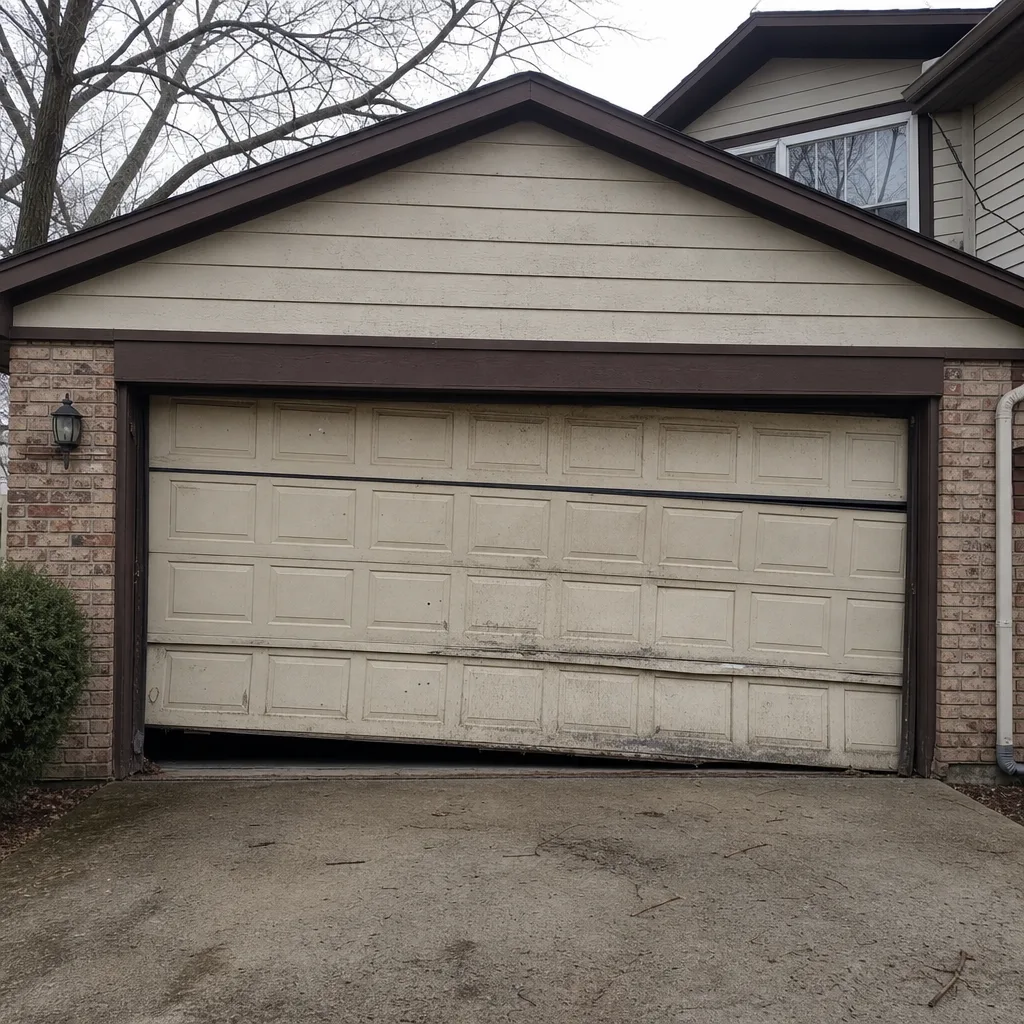 Before
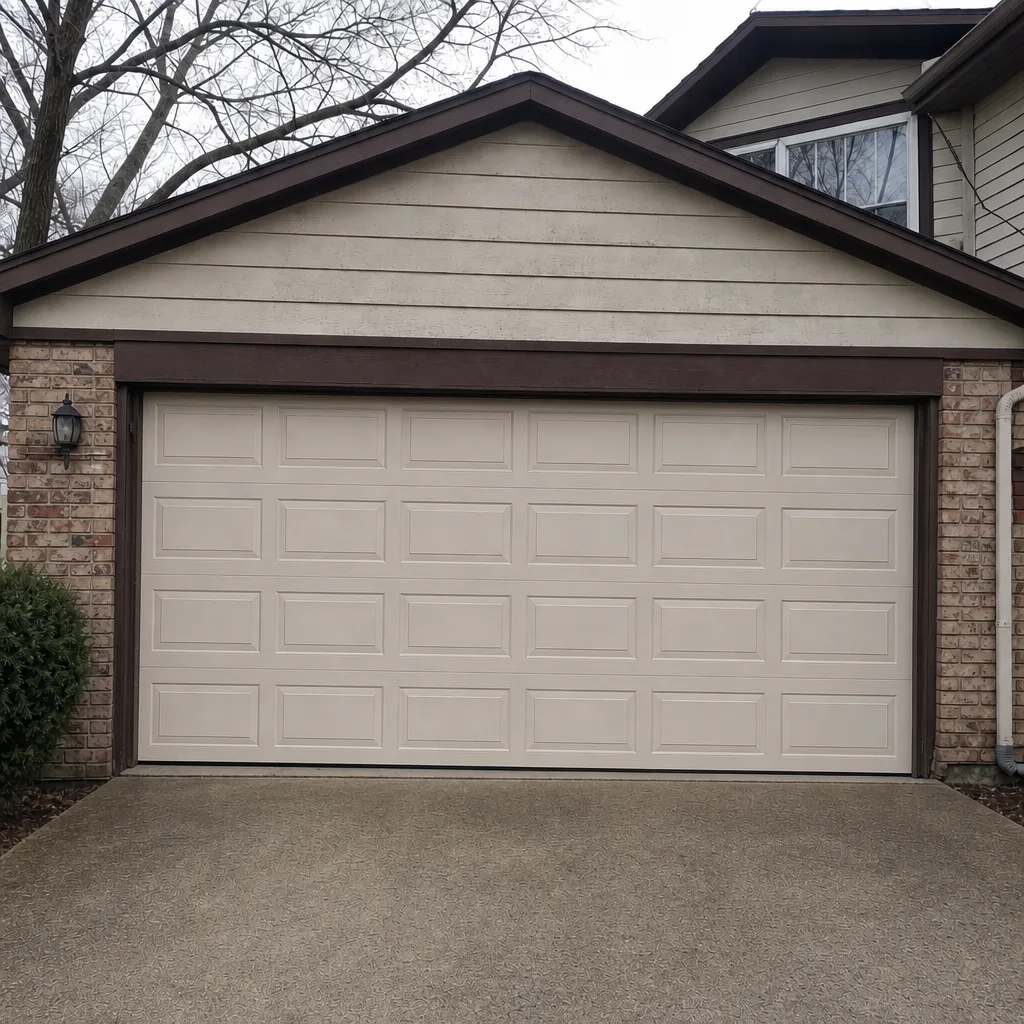 After
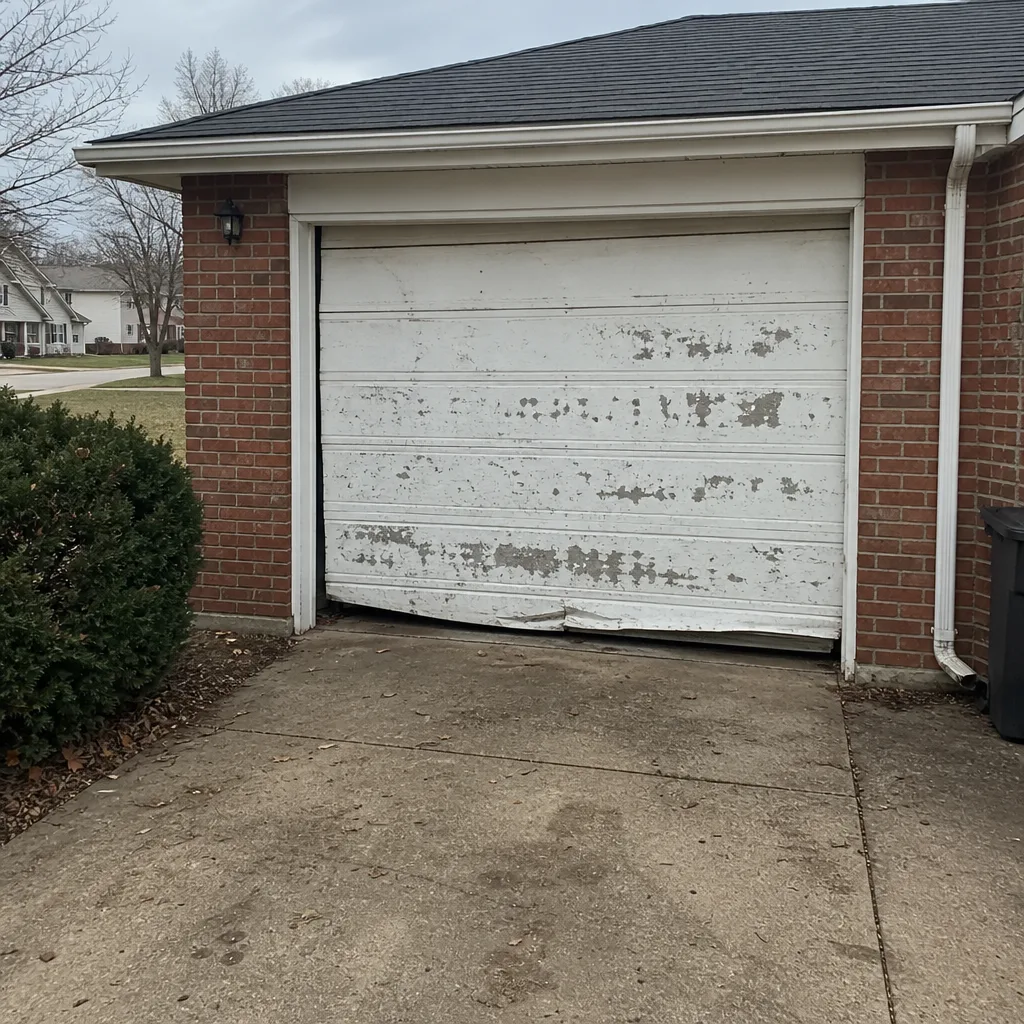 Before
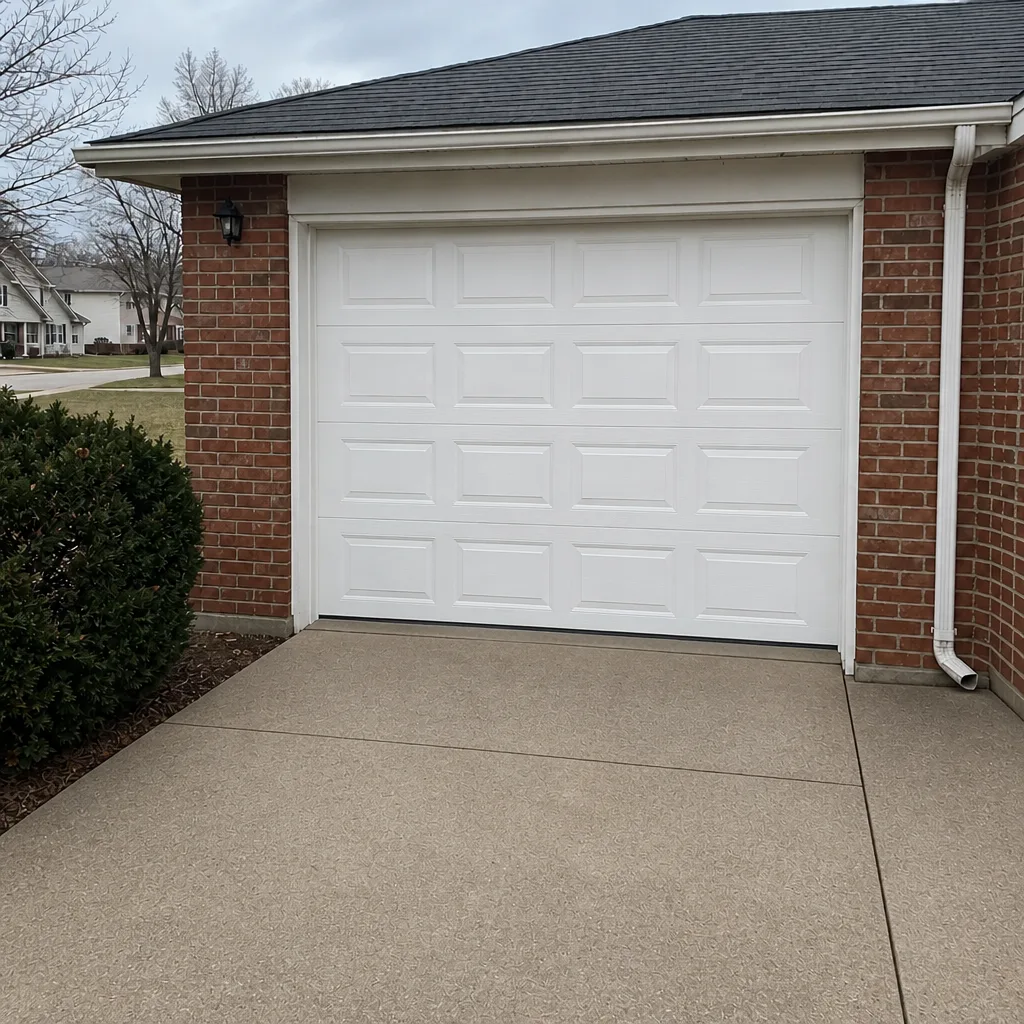 After
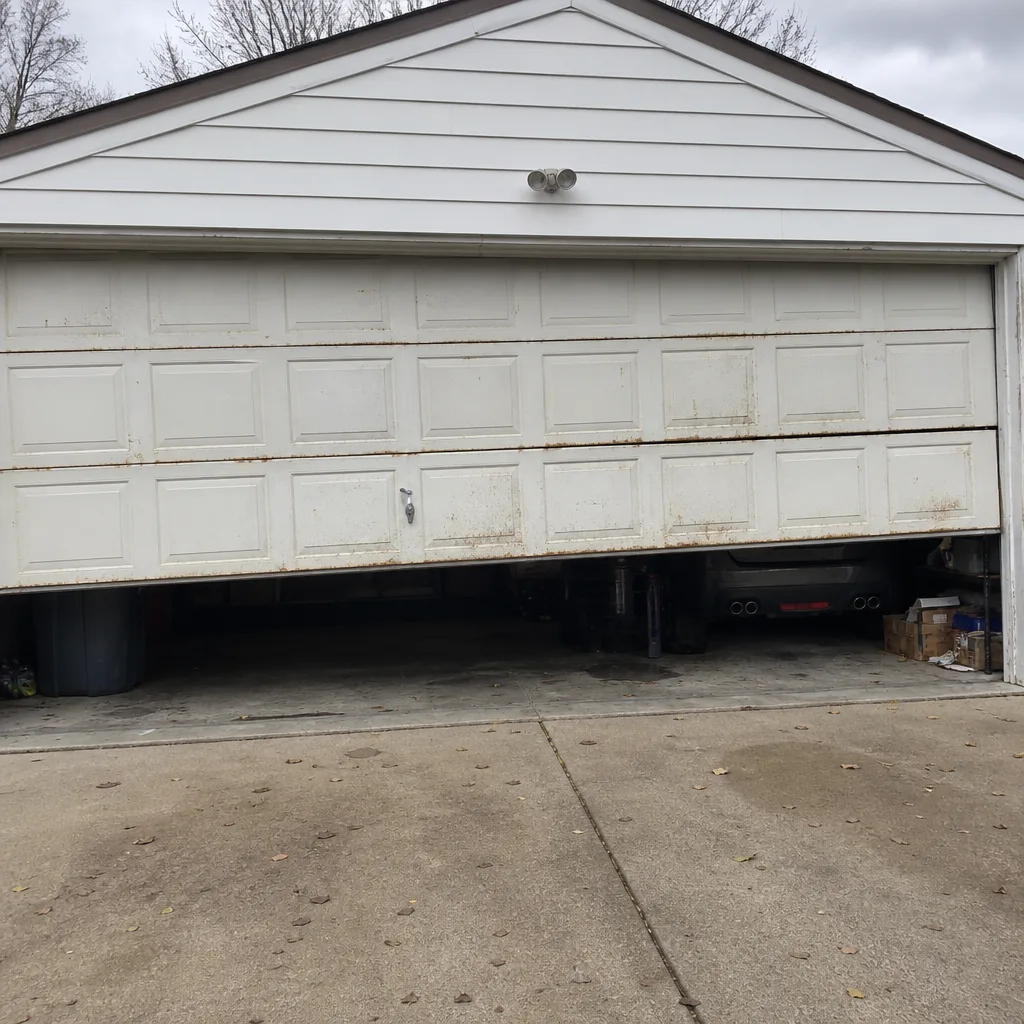 Before
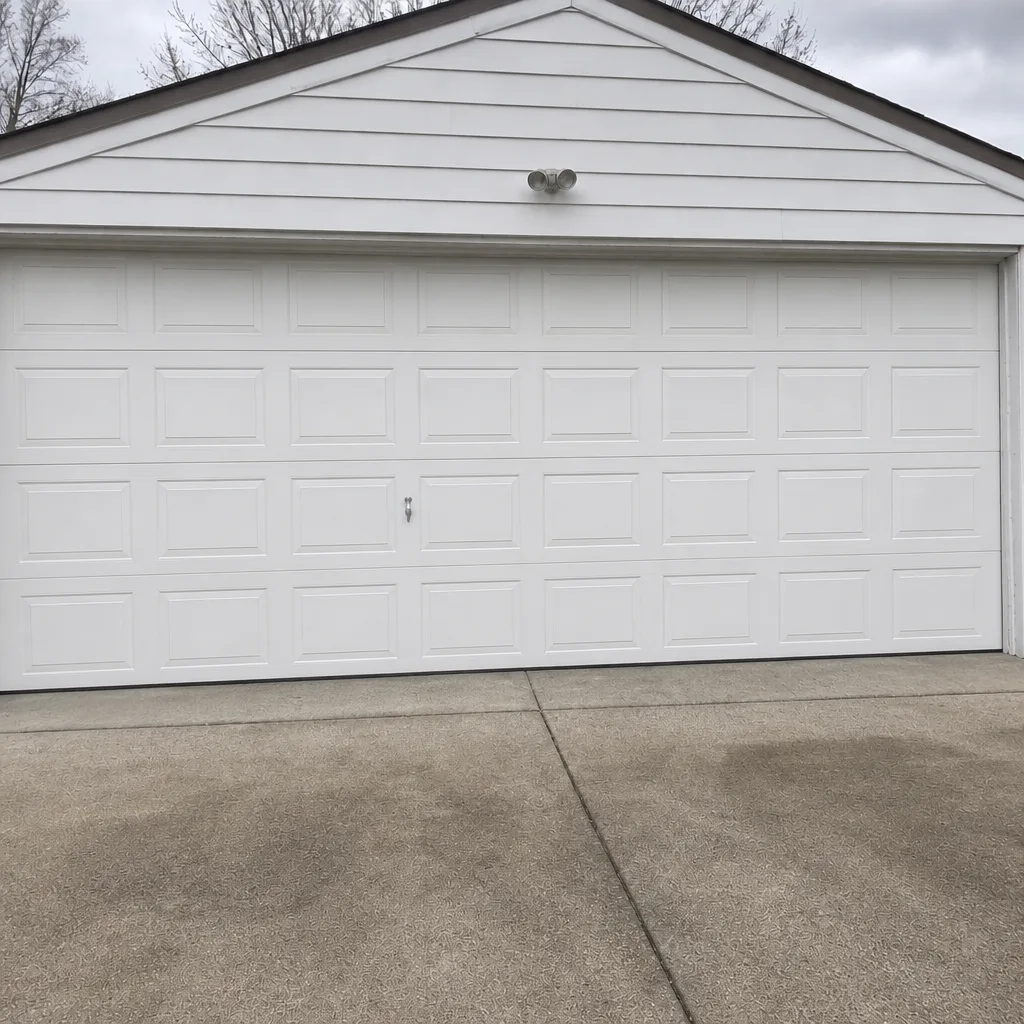 After
When to Call a Professional
Call a professional when the door won’t close completely, a spring has snapped, a cable is loose or hanging, the door is visibly off-track on one side, the opener hums but doesn’t move the door, or you hear repeated loud popping from the torsion assembly. Call immediately if the door is stuck open and the garage is exposed, or a vehicle is trapped inside. Emergency garage door service is a named offering at Chesterfield Garage Door Repair Pros, so urgent calls get the same brand-fluent diagnosis as scheduled work. For routine installation or full replacement, the right move is a free measure and a written estimate – call (833) 509-5341 and we’ll get you scheduled. Estimates are free, and the price we quote in writing before any work starts is the price you’ll see.
Frequently Asked Questions
The best door for a Chesterfield home is one built for the local freeze-thaw cycle: 25- to 27-gauge steel, insulated with a thermal break, and finished with an EPDM rubber bottom seal. Beyond that, the right choice depends on the construction era of your subdivision and your HOA’s architectural covenants. Call (833) 509-5341 for a specific recommendation after we look at your door, opening, and lot.
We offer dedicated emergency garage door service and same-day repair for many urgent situations, including broken springs, snapped cables, and dead openers. Response depends on your location in Chesterfield and the time of day, so call (833) 509-5341 to confirm availability. Emergency service is a named offering, not an afterthought.
Spring repair pricing depends on whether the door uses a single torsion spring or a matched pair, and on the door’s height and weight. Prices are quoted per job after inspection, and the written estimate is what you’ll pay. Call (833) 509-5341 for exact pricing – estimates are free.
Most homeowners in subdivisions like Wildhorse and Baxter do need architectural review board approval before changing the door’s material, color, or panel pattern. Pull your covenant documents before ordering. We can install a door that fits the requirements you provide, but the approval process is yours to run.
Not always. A new insulated door often weighs more than the builder-grade door it replaces, and an older opener rated for a lighter door will strain and fail prematurely. We check the opener’s lift rating against the new door’s weight before installation so the two systems match.
Our technicians work on LiftMaster, Chamberlain, Genie, and Craftsman opener systems and on Clopay, Amarr, Wayne Dalton, and Raynor door lines. Brand-matched diagnosis means we work on your exact system rather than guessing. Call (833) 509-5341 if your brand isn’t on this list and we’ll confirm.
The Bottom Line
Garage door decisions in Chesterfield should start with the door’s environment and the home it serves – not a showroom price tag. Thicker steel, insulated panels, and a proper bottom seal matter more than a fancy panel pattern in this climate. Component-level repair is usually the right call when the door’s structure is sound; replacement makes sense when the repair bill and the door’s condition meet. Check HOA covenants before ordering anything, and match your opener to the door’s actual weight and drive system. When you’re ready, garage door opener repair and spring work are the calls where a specialist saves you from a much bigger problem down the line.
Whether it’s a single spring or a full new door, Chesterfield Garage Door Repair Pros is set up to handle the whole range – and the team at Chesterfield Garage Door Repair Pros can quote it before a single bolt gets turned.
Contact Us for a Free Estimate
If you’re facing a garage door decision in Chesterfield – a snapped spring, a dead opener, a door off track, or a full replacement – the fastest way to get a straight answer is a phone call. Call (833) 509-5341 for a free estimate. Our technicians have up to 10 years of experience across LiftMaster, Chamberlain, Genie, Clopay, Amarr, Wayne Dalton, Craftsman, and Raynor systems, and we quote and agree on price before any work starts.
Written by the team at Chesterfield Garage Door Repair Pros.