Last updated November 22, 2026
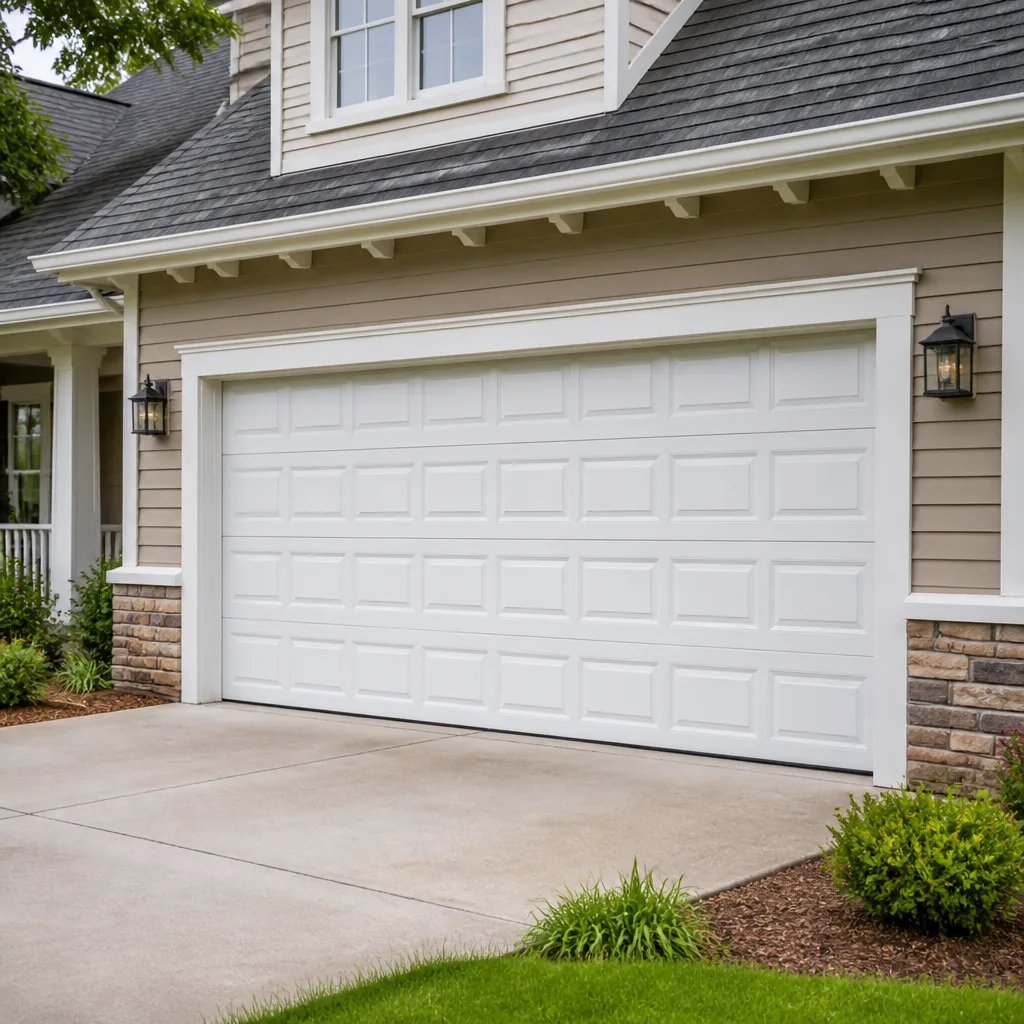 Raised-panel steel
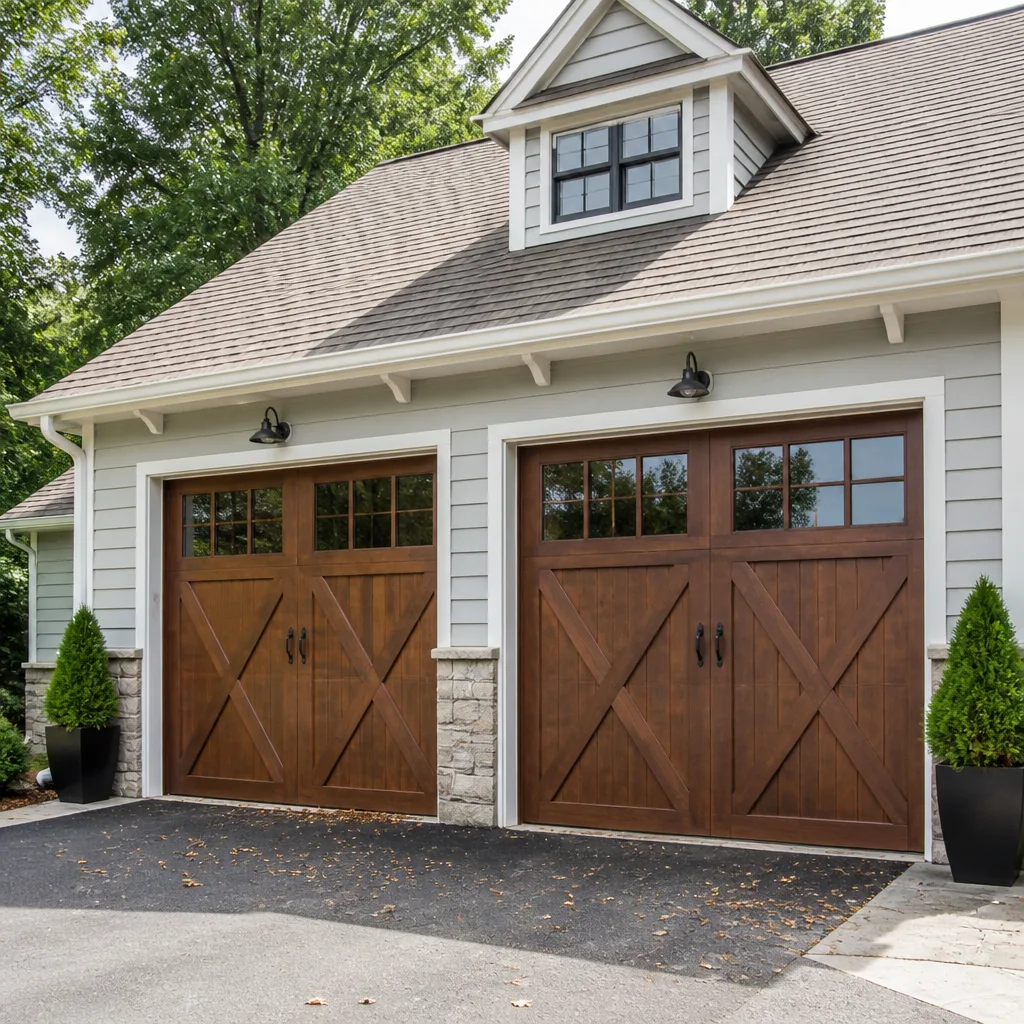 Carriage house
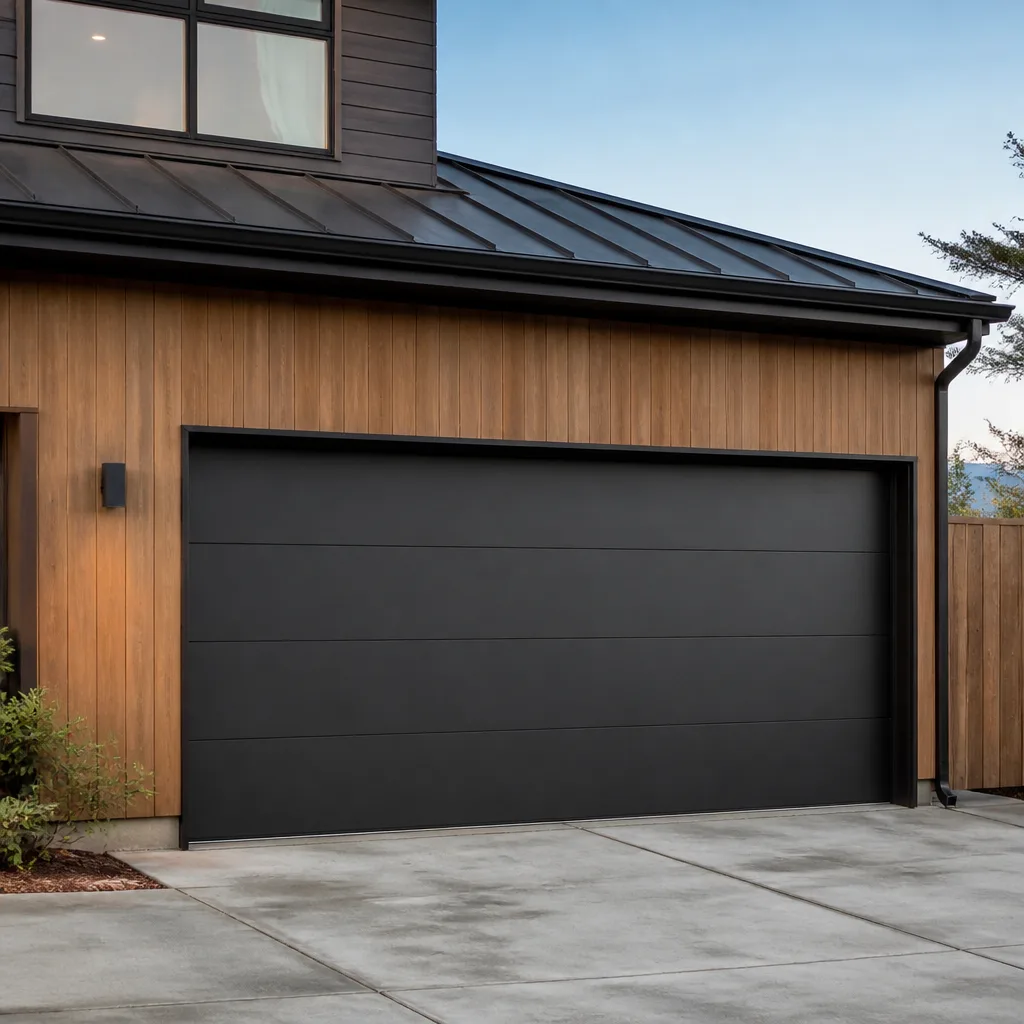 Modern flush
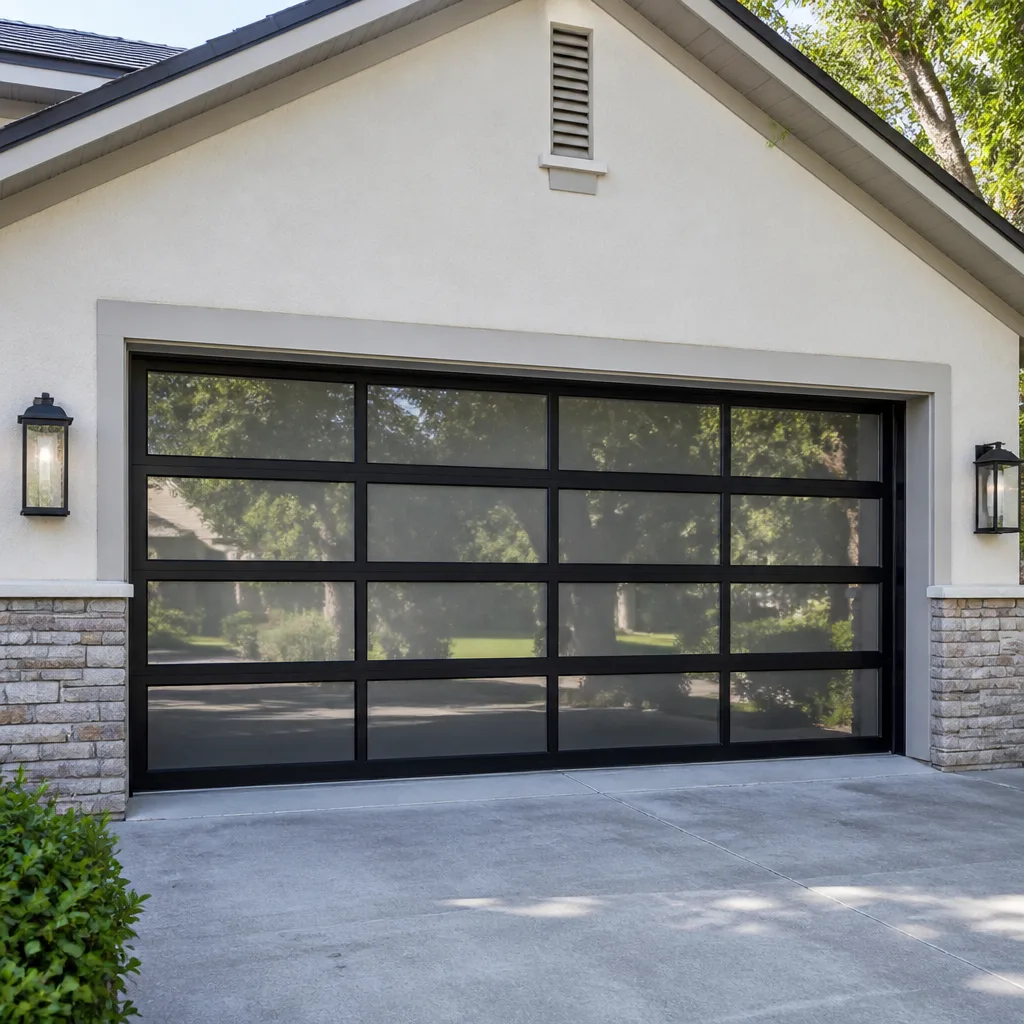 Full-view glass
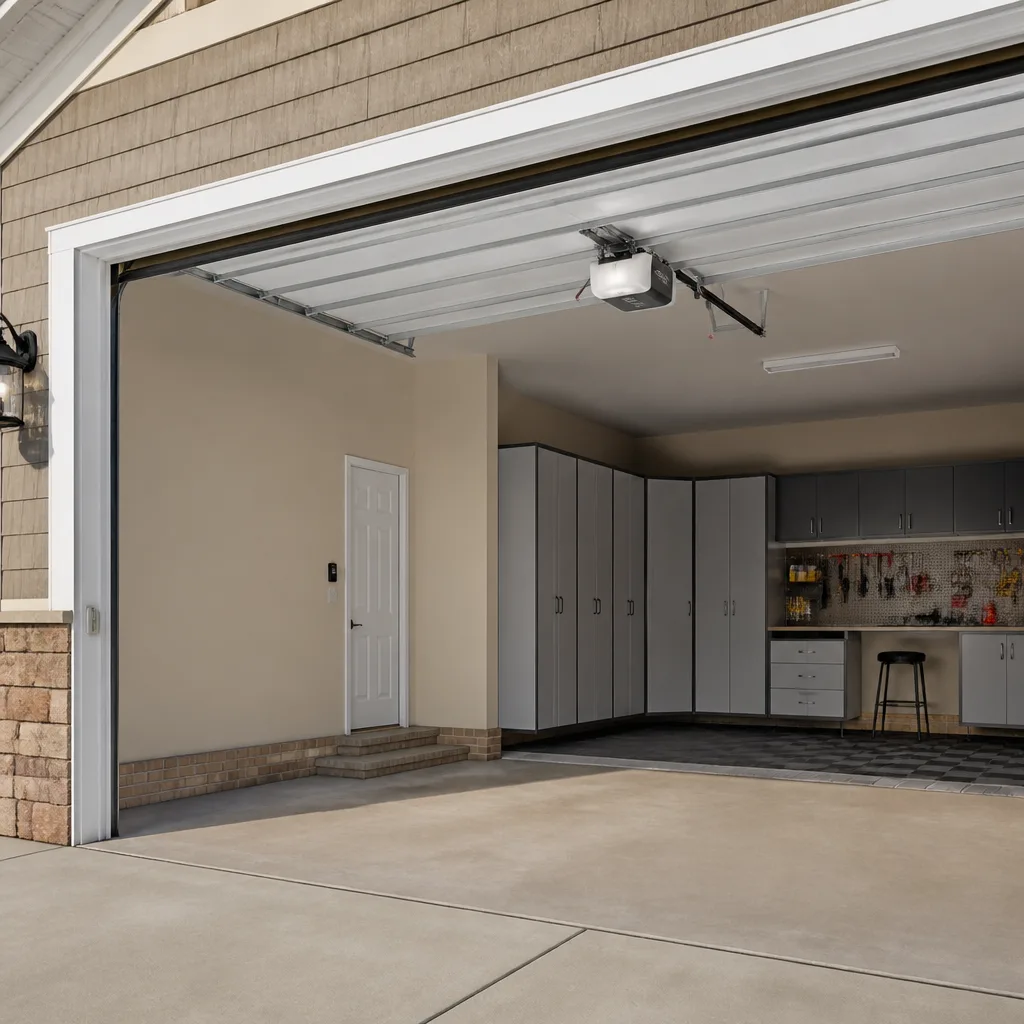 LiftMaster openers
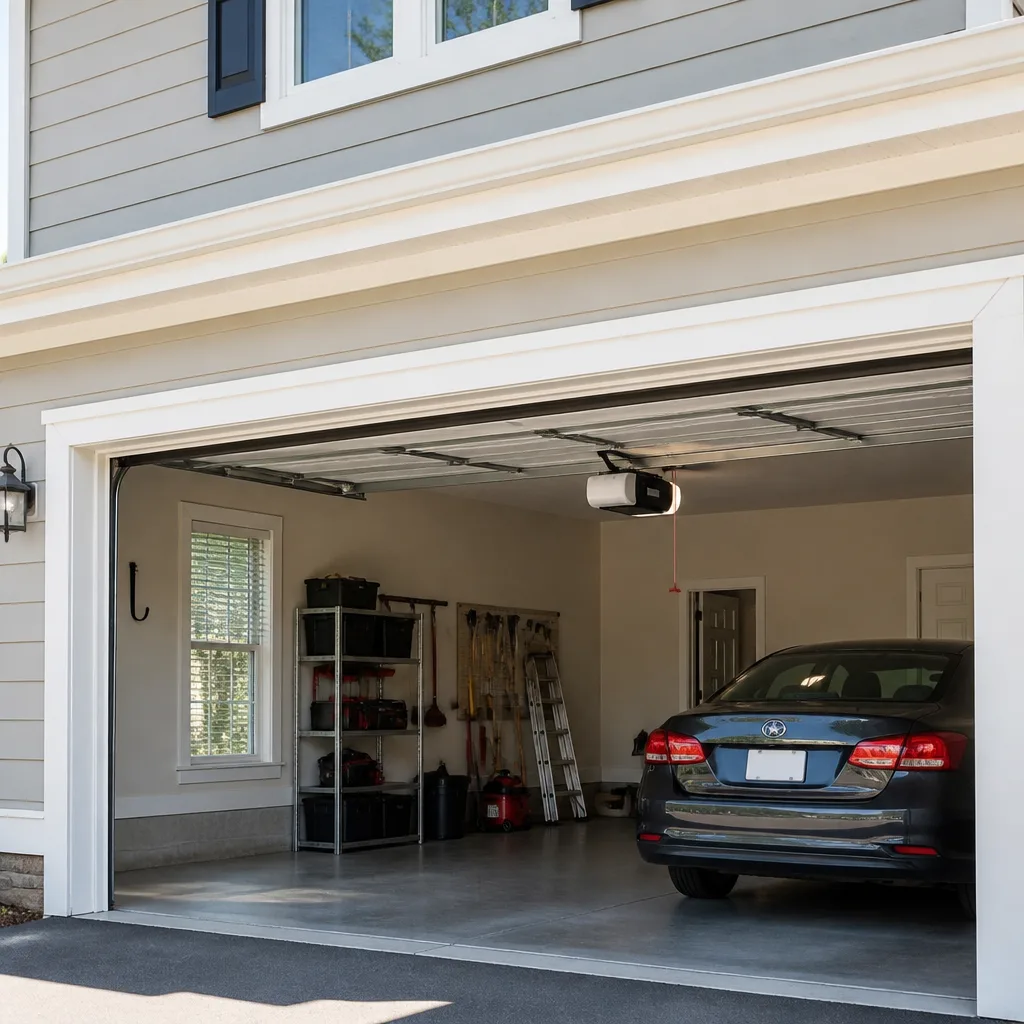 Chamberlain openers
Full 25-point door and opener safety check with every visit - springs, cables, rollers, tracks, and your LiftMaster or Chamberlain opener included
You get a price before we start. It does not change when the pro arrives.
Get your free estimateChoosing the Right Garage Door Brand: A Buyer’s Guide for Chesterfield
Here’s a distinction most garage door brand guides skip: a premium name means nothing if the nearest authorized warranty service center is across the river in Illinois and the replacement part takes two weeks to ship. Brand reputation in this trade is real, but it’s component-specific. A manufacturer that builds excellent steel panels may pair them with a mediocre drive system, and a strong opener brand may offer weak parts support in the St. Louis market. This guide evaluates brands by what actually matters to a homeowner in Chesterfield: parts availability in Missouri, the strength of local authorized service networks, and how the products perform through a climate zone 4 winter. By the end, you’ll know how to read a spec sheet, decode a warranty, and ask the right questions before you sign.
Quick Answer
The right garage door brand for a Chesterfield home is the one with an authorized local dealer, parts stocked by regional distributors, and a warranty your household can actually claim without a two-week wait. For most homeowners, that means choosing a door brand (Clopay, Amarr, Wayne Dalton, or Raynor) and an opener brand (LiftMaster, Chamberlain, Genie, or Craftsman) as two separate decisions, then confirming both are serviceable within the St. Louis area before you buy. A brand’s spec sheet tells you what it builds; its local service network tells you what it can keep running.
Styles & brands we work with
- Raised-panel steel
- Carriage house
- Modern flush
- Full-view glass
- LiftMaster openers
- Chamberlain openers
Table of Contents
- Why Local Serviceability Beats Brand Prestige
- How to Evaluate a Brand’s Local Dealer and Service Network
- Steel Gauge and Insulation Core Comparisons for Missouri
- Parts Availability: Stocked vs. Special-Order
- Warranty Terms Decoded
- The Opener Brand Compatibility Matrix
- Questions to Ask Before You Buy
- Common Mistakes to Avoid
Why Local Serviceability Beats Brand Prestige
A garage door is not a finished product the day it’s installed. It’s a system of panels, tracks, hinges, rollers, springs, cables, and a drive unit that will need adjustment, replacement parts, and eventual service. That reality makes local serviceability the single most important brand attribute, and it’s the one you’ll never find on a manufacturer spec sheet.
When we talk with homeowners in Chesterfield, the pattern is consistent. The door that causes the most frustration isn’t the cheapest one. It’s the one ordered from a source with no regional support, installed by whoever was available, and then orphaned when a hinge wears out or an opener board fails. The homeowner is left calling around to find someone who stocks the bracket or knows the drive system.
Local serviceability rests on three things you can verify before you commit:
- An authorized dealer or service provider within reach. Not a national hotline, but a company that can dispatch a trained technician familiar with that line.
- Regional parts distribution. A distributor that stocks the common wear parts for that brand means a repair happens in one visit instead of two.
- Warranty transfer that works in practice. A warranty is only as good as the nearest party who will honor it without a case number and a two-week wait.
In our experience, a mid-tier door from a brand with strong Midwest support outperforms a prestige door from a brand with none. The door itself may be nearly identical in quality. The difference shows up in year three, when something needs fixing and one homeowner waits days while the other waits weeks. That gap is the whole argument for shopping serviceability first. Chesterfield homes sit in a market where the good brands are well represented, so there’s rarely a reason to accept poor local support.
Understanding the difference between the components also helps here. The panels and the drive system are separate products from separate manufacturers, and each needs its own local service path. That’s why we treat garage door repair as a brand-matched discipline rather than a generic trade: the technician should know your exact system, not just the general mechanics of doors.
How to Evaluate a Brand’s Local Dealer and Service Network
Before a brand’s reputation means anything for your home, you need to know who in the St. Louis area will actually stand behind it. A brand can be excellent regionally and still be awkward to service in a specific metro if no authorized provider carries its parts or trains on its systems. Here’s how to check the local footprint before you buy.
- Ask who is authorized to service the brand nearby. A dealer may sell the door. Service authorization is a separate question. Confirm the party who will fix it, not just the party who sells it.
- Ask where the common wear parts ship from. Hinges, rollers, cables, and spring hardware should be obtainable from a regional distributor, not a factory order.
- Ask whether the opener brand has a local service path too. A door manufacturer and an opener manufacturer are separate companies. Both need support in your area.
- Ask how warranty claims are handled. Whether the local party files the claim or the homeowner does makes a real difference when something fails.
- Confirm the brand is one of the eight major lines a specialty shop works on. A garage door specialist that is fluent in your brand will diagnose by the system rather than guess.
The brands we work with most often span both categories: door manufacturers like Clopay, Amarr, Wayne Dalton, and Raynor, and opener brands like LiftMaster, Chamberlain, Genie, and Craftsman. Knowing an exact drive system is what turns a repair into a fix on the first visit instead of a return trip after a wrong part. When we assess a Chesterfield door, the first question is which system is on the wall, because that determines everything about how the job will go.
For a homeowner choosing a brand, that same question is the lens. If the local network can’t name your system, price the parts, or promise a return visit without a factory order, treat that as a signal. Chesterfield is close enough to the metro’s distribution reach that most major brands are well supported. When one isn’t, that’s worth knowing before you sign.
Steel Gauge and Insulation Core Comparisons for Missouri
Chesterfield sits in climate zone 4, where winters bring sustained cold spells and real snow, and summers run humid. That combination is hard on an uninsulated steel door. The metal sweats on cold mornings, condensation forms on the inside face, and an attached garage gets cold and damp. Steel gauge and insulation core are the two specs that address it, and they vary more than most buyers expect across the brands sold in Missouri.
Here’s what to compare, and how to read it:
- Steel gauge. A lower gauge number means thicker steel. Entry-level doors often use thinner metal that dents easily; mid and upper tiers step up to heavier-gauge skins and boxed sections. For a Chesterfield home with kids, bikes, and the occasional bump, thicker gauge holds up better.
- Insulation type. Polystyrene foam is the budget option and offers moderate thermal resistance. Polyurethane foam is denser and fills the panel cavity more completely, which is what matters in a real winter. A polyurethane core in a thicker-gauge steel panel is the combination that holds warmth and reduces condensation.
- Insulation continuity. A well-insulated door needs insulation between the sections too, not just in the panels. Ask about the junction between sections; that’s where cold air and condensation get in.
- R-value context. Manufacturers publish R-values, but they measure the panel, not the installed door. Treat a published figure as a comparison tool between brands, not a guarantee of garage comfort.
For climate zone 4, the practical guidance is this: if your garage is attached and you care about the room above it or the utility of the space, an insulated door with a polyurethane core and thicker steel does the job. If you’re replacing a detached-garage door and warmth isn’t the goal, heavier steel still buys durability. Brands differ less on the physics than on how much steel and foam they put in a given price tier, so compare the tiers within each brand, not just the brand names. In our experience across Chesterfield jobs, insulated doors also run quieter and need fewer adjustments over time.
Parts Availability: Stocked vs. Special-Order
Parts availability is the quiet variable that decides how long a door stays down and what the repair costs. Two doors of equal quality can have very different service lives depending on whether their parts are stocked by regional distributors or special-ordered from the factory. In this market, the split is real, and it directly affects repair speed and price.
Think of your garage door as a set of consumable parts wrapped in durable panels. The panels, tracks, and heavier structural pieces rarely fail. The wear items do: rollers, hinges, cables, springs, and the opener’s drive gear or board. A brand that keeps those wear items in regional distribution makes same-day or next-day repair realistic. A brand that ships them from a distant factory turns a small repair into a multi-week wait.
Here’s how to assess this before you buy:
- Ask about the wear items specifically. Hinges, rollers, and cable hardware should be locally obtainable. If they aren’t, note it.
- Ask about opener drive components. A drive gear or a logic board should be routable through local supply. An opener that requires a factory part shipment will leave your car on the driveway longer than it should.
- Ask about spring hardware. Spring hardware is a high-wear item, and its availability matters for safety-critical repair.
- Ask the service network, not just the seller. A seller can order a door. What you want to know is whether the person fixing it can get parts fast.
The brands we work on most in Chesterfield, from Clopay and Amarr to Wayne Dalton and Raynor, and from LiftMaster and Chamberlain to Genie and Craftsman, vary in how much of the wear-unit library sits in local distribution. The pattern we notice: brands with strong regional dealer networks tend to have stronger parts reach, because their distributors carry the consumables their dealers replace. The fastest way to know is to ask the party who will service the door, because they order the parts. A specialty shop that works on your exact brand will tell you honestly whether a part is stocked or a factory order.
For a homeowner, the takeaway is plain. When comparing brands, add a line for parts availability and weight it as heavily as warranty. A repair you can complete in a day beats a superior warranty tied to a two-week parts wait, especially on the highest-risk component in the system. That’s why we treat garage door spring repair as a core service rather than a referral: spring work is the most mechanically demanding job in this trade, and it depends on the right hardware being on hand and handled by a trained technician.
Warranty Terms Decoded
Warranty terms are where brands sound most generous and where the fine print matters most. Three separate warranties typically hide behind one “limited lifetime warranty” claim, and they cover three different parts of the door with three different durations. Knowing which is which tells you what a brand will actually pay for, and which warranty Chesterfield homeowners claim most often.
The three warranties:
- Panel warranty. Covers the door panels against defects like rust-through or delamination. Usually the longest term, often limited lifetime for the original purchaser.
- Hardware warranty. Covers hinges, rollers, tracks, springs, and other moving parts. Usually shorter, and often with exclusions for normal wear.
- Finish warranty. Covers the factory paint or finish against fading, peeling, or chalking. Duration varies widely; a longer finish warranty is a real value signal in a climate with hard sun and freeze-thaw cycles.
Which one gets claimed most often in Chesterfield? Hardware. The panels and finish tend to last; it’s the moving parts that wear and get claimed. That’s a useful lens when comparing brands. A generous panel warranty is reassuring, but a strong hardware warranty is what you’ll actually lean on. Look closely at what the hardware warranty covers and what it excludes, especially around springs and rollers, because those are the items that fail first.
A few questions to put to any brand or dealer:
- Is the hardware warranty prorated, and after how long?
- Are springs covered, and for how long?
- Is the warranty transferable to a new owner, and does the local party honor it without a factory case number?
- Does the finish warranty cover fade and chalking specifically?
- Who files the claim, the homeowner or the local service provider?
The practical takeaway: when you compare brands, put the hardware warranty beside the panel warranty in your notes, and ask about the finish. Then confirm the person who will fix your door can act on it locally. A warranty is only as strong as its local service path.
The Opener Brand Compatibility Matrix
Garage door brands and opener brands are two separate product categories, and the most common headache in this trade comes from treating them as one. A door manufacturer builds the panels and hardware; an opener manufacturer builds the drive system. Get the pairing wrong, and you inherit years of small annoyances: uneven force, a remote that won’t pair, a safety sensor that trips in the cold, or an opener working harder than it should.
Here’s how the pairing generally works for the common brands sold in this area:
- LiftMaster and Chamberlain openers pair cleanly with most residential doors, including heavier insulated models. Belt and chain drive options give flexibility for different door weights.
- Genie openers are common on older doors and work well when matched to the correct drive and force settings for the door’s weight.
- Craftsman openers are widely installed and serviceable, though parts troubleshooting depends on knowing the exact model generation.
- Raynor and Wayne Dalton doors are well supported on the door side and pair reliably with the major opener lines when the door’s weight and balance are set correctly.
The mismatch headache usually isn’t a brand incompatibility in the strict sense. It’s a setup problem: a heavy insulated door paired with an underpowered opener, or a drive setting that fights the door’s travel. In climate zone 4, the cold can make a marginal pairing worse, because stiff components need the door to be well balanced and the opener tuned to that balance. An opener that hums through a cold morning is telling you the pairing needs attention.
The sensible approach is to treat the two decisions separately, then confirm compatibility at the point of purchase. Ask what drive the opener uses, whether it’s rated for the door’s weight, and whether the safety reverse works smoothly through a full cycle. If you’re mid-repair rather than mid-purchase, a specialist who knows the exact opener is what saves time. That’s why our garage door opener repair work starts with identifying the drive system and the model generation, because an opener fixed by guesswork tends to fail again.
For a broader picture of how these systems fit together, the Chesterfield Garage Door Repair Pros home page outlines the full service range. The point to carry forward: brand fluency across the major door and opener lines, from LiftMaster to Raynor, is what lets a specialist diagnose by the actual system instead of trial and error.
Questions to Ask Before You Buy
The difference between a good garage door purchase and a frustrating one often comes down to a handful of questions asked before the order is placed. These are the ones we’d want answered if it were our own door. They surface local support, parts reach, and compatibility before you commit.
- Who is authorized to service this brand near Chesterfield? Confirm the service party, not just the seller.
- Where do the wear parts ship from? Local distributor or factory order, and does that affect repair speed?
- What do the three warranties cover, and which gets claimed most? Compare panel, hardware, and finish side by side.
- What opener system is recommended for this door’s weight? Confirm drive type and force rating.
- Does the brand you’re choosing match the opener you’re choosing? Or will they fight each other?
- What’s the steel gauge and insulation core? For climate zone 4, thicker steel and a polyurethane core hold up better.
- Will the local service party honor the warranty without a factory case number? The clearest sign of a real local network.
Ask these before you sign, and you’ll have a door you can keep running. In our experience, homeowners who ask about parts and local service end up with fewer emergency calls. That’s the practical payoff of choosing a brand by how it can be serviced, not just how it’s marketed.
Common Mistakes to Avoid
- Choosing by brand name alone. A respected brand with no local service path is a door you’ll struggle to keep running. Check the warranty service network before the spec sheet.
- Treating the door and the opener as one purchase. They’re separate products from separate companies. Confirm both are locally supported and compatible with your setup.
- Ignoring steel gauge and insulation. In climate zone 4, a thin, uninsulated door will sweat and stay cold. The garage you can actually use needs thicker steel and a real insulation core.
- Reading the panel warranty and missing the hardware warranty. Panels rarely fail; moving parts do. Put the hardware coverage beside the panel coverage in your notes.
- Overlooking parts availability until something breaks. A repair that needs a factory order can leave a car on the driveway for weeks. Ask about the wear items up front.
- Pairing a heavy insulated door with an underpowered opener. The mismatch shows up as force problems and cold-morning strain. Match the drive to the door’s weight.
- Assuming a distant service center is fine because the warranty looks generous. The nearest authorized service center matters more than the warranty length. A two-week wait on a part is a two-week wait no matter how good the paper claim.
See the difference
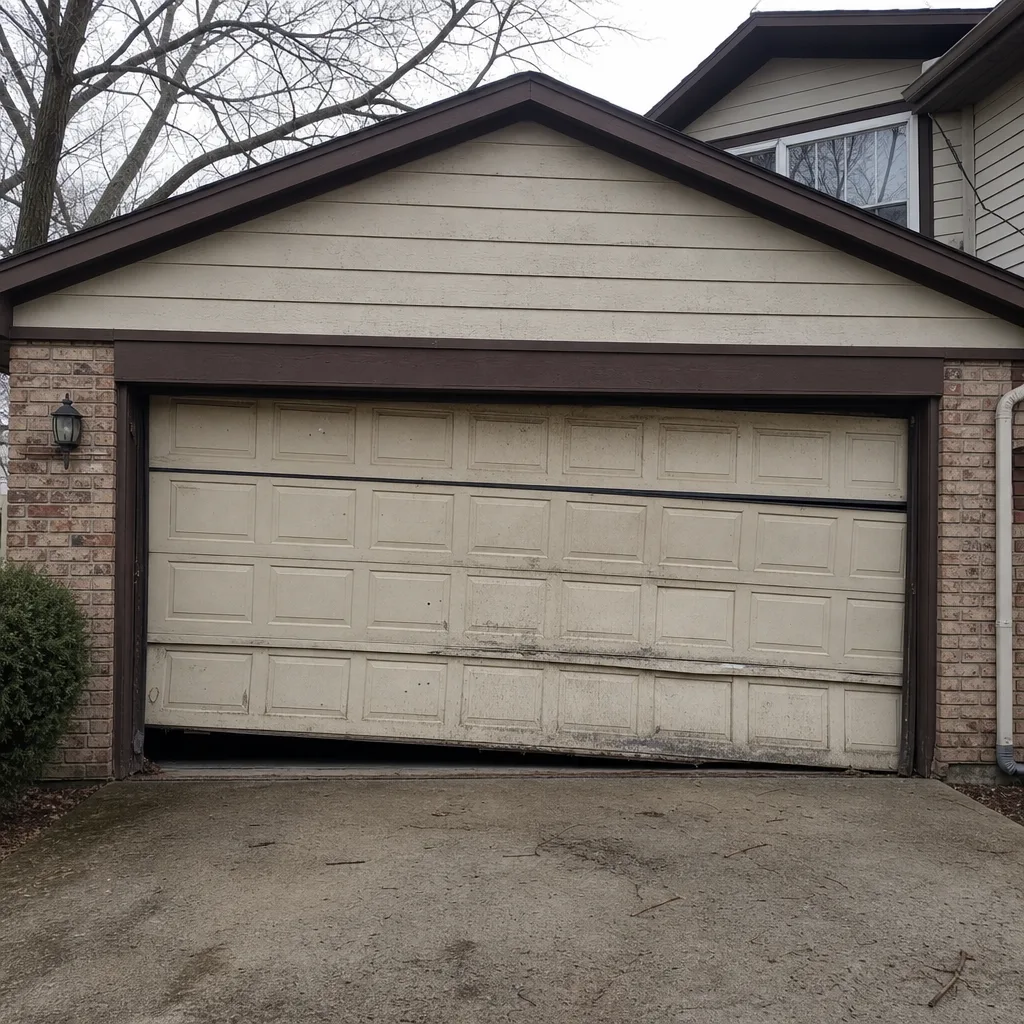 Before
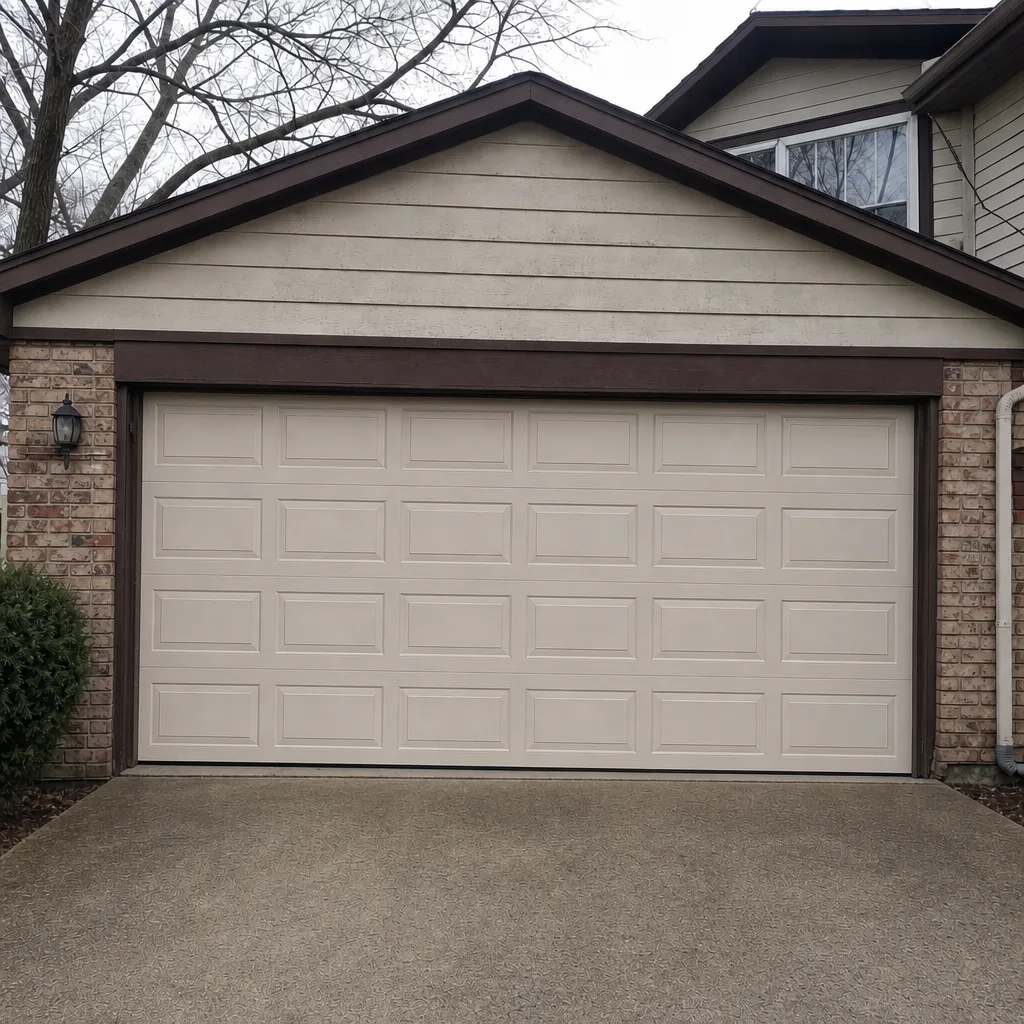 After
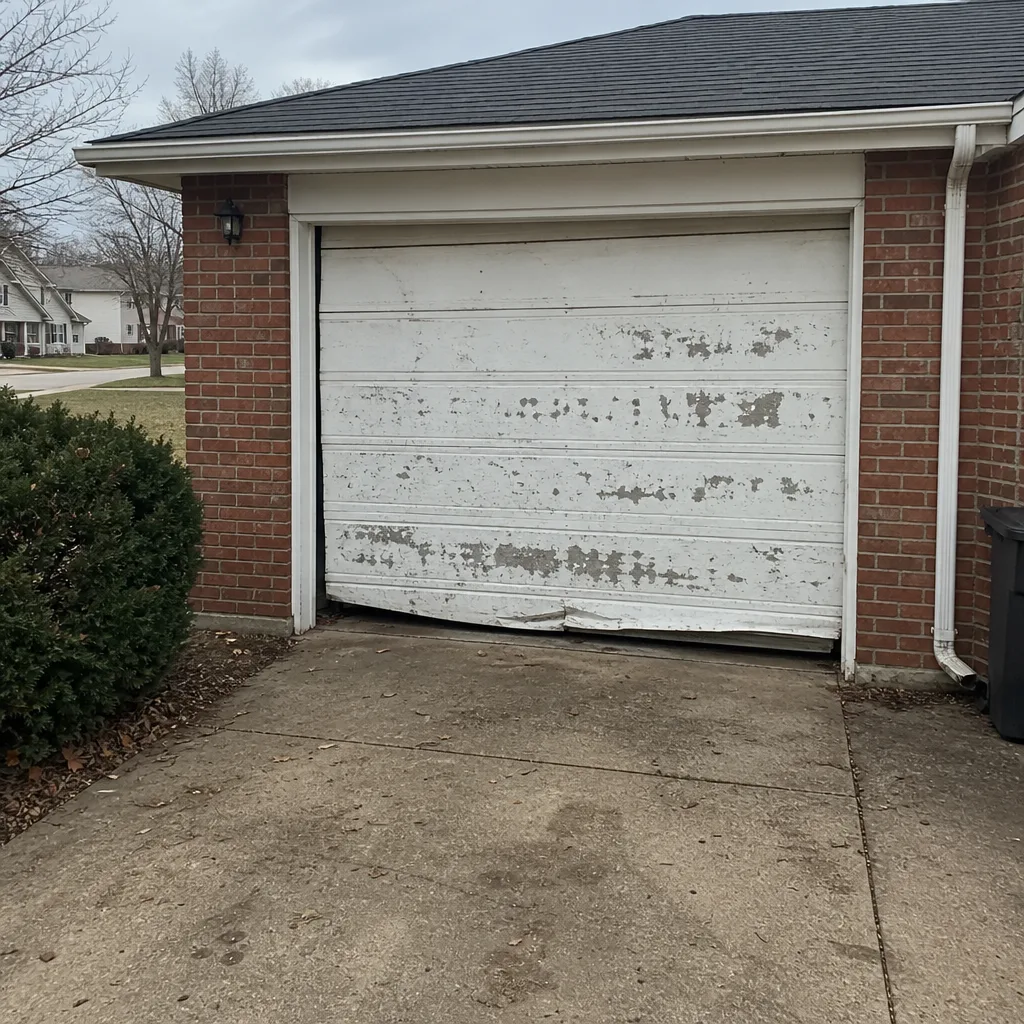 Before
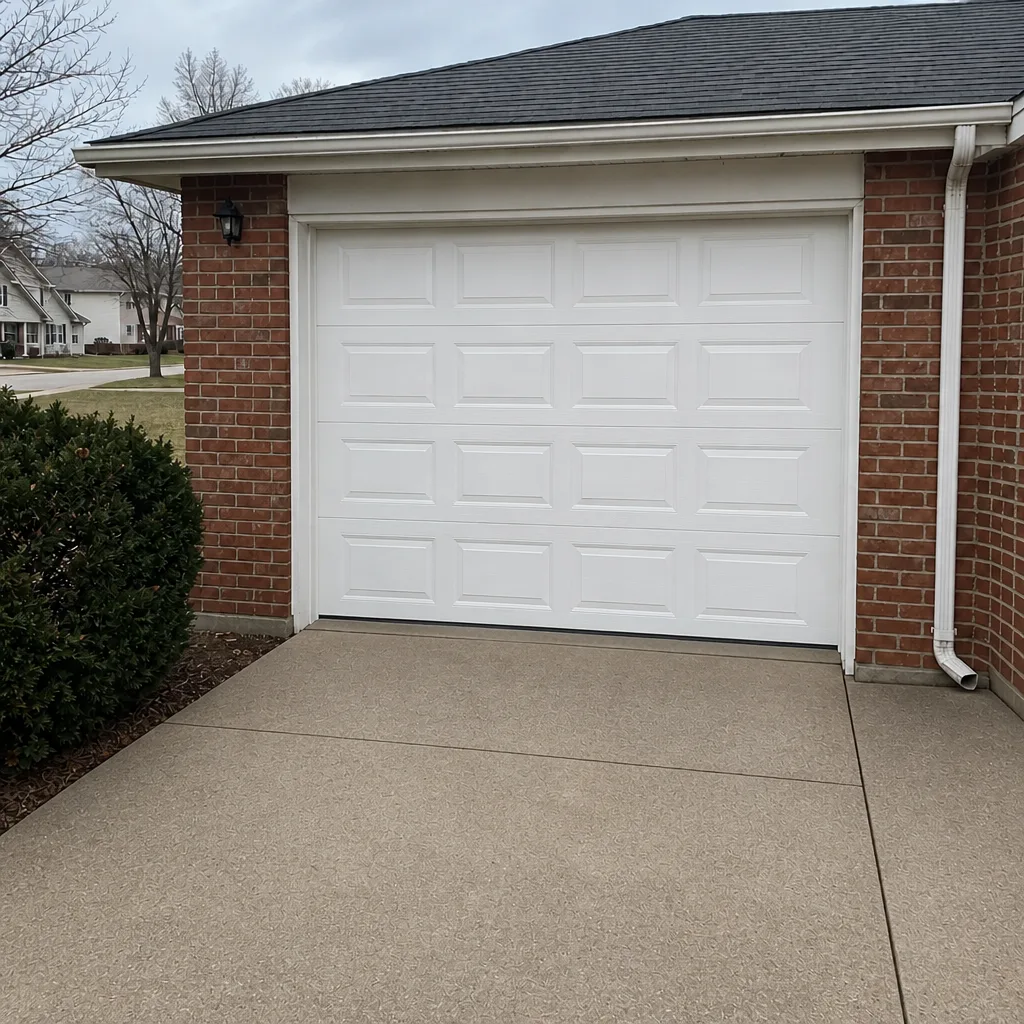 After
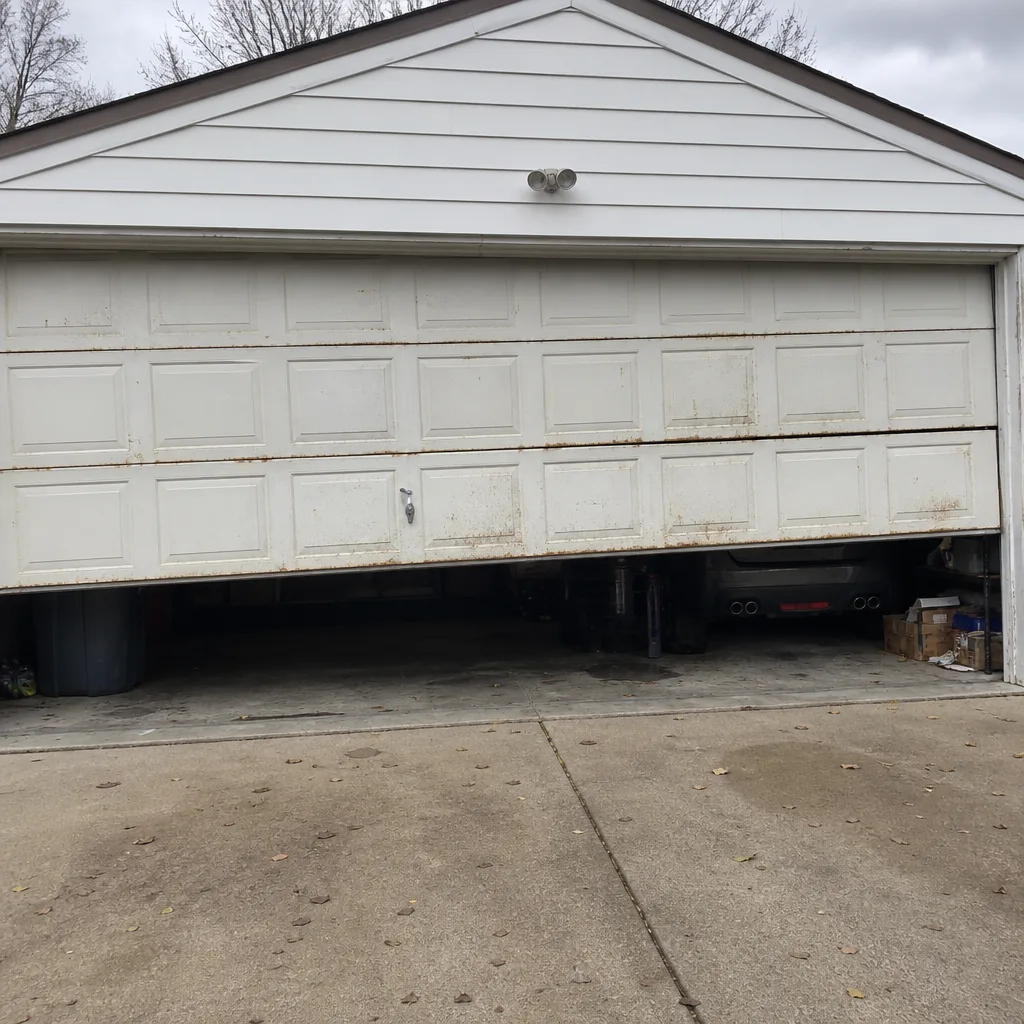 Before
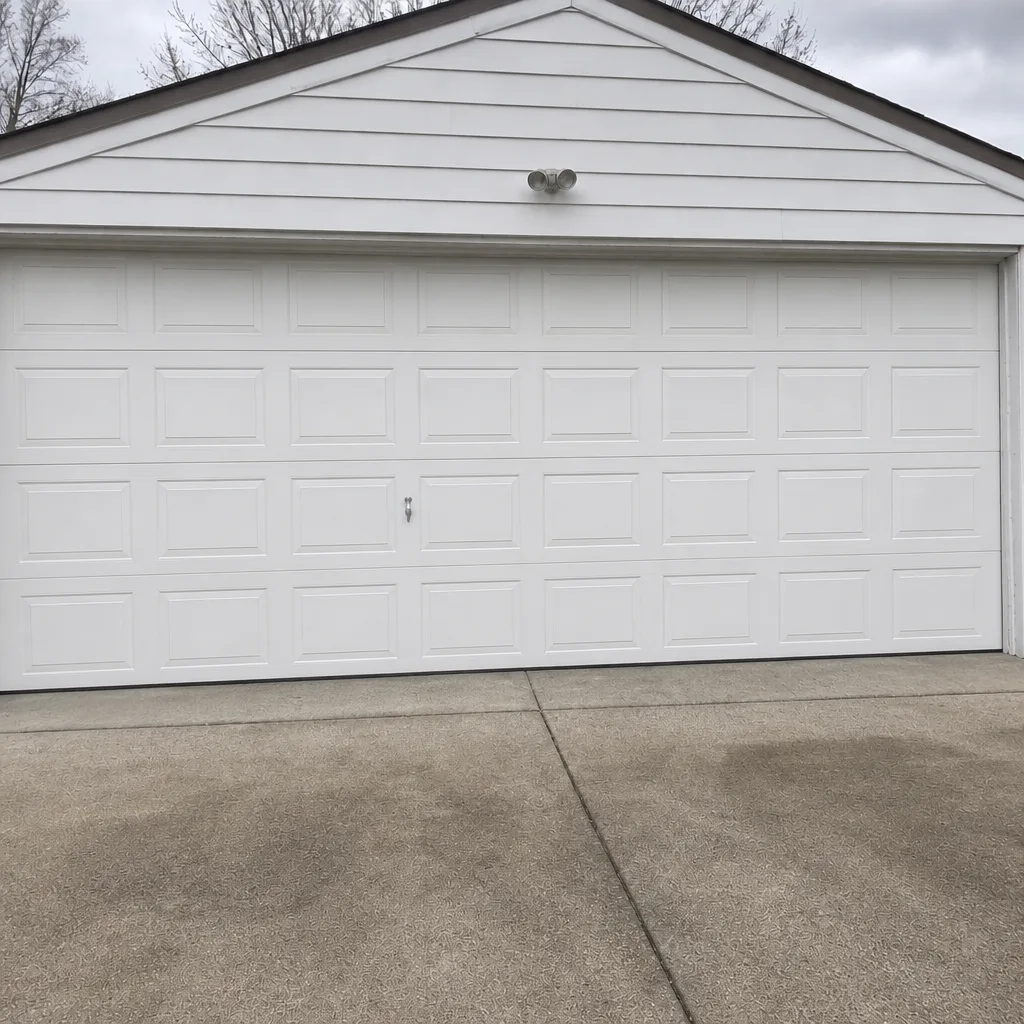 After
When to Call a Professional
Some garage door issues are fine to think about and some aren’t. If you have a broken spring, a snapped cable, or a door that’s come off its track, stop using it. Torsion springs and cables stay under high tension, and this is the most dangerous component in the system. A spring failure can injure anyone nearby, so keep people clear and call a trained technician rather than attempting a fix. An opener that’s buzzing but not lifting, a door that reverses partway down, or a car trapped behind a dead door are all situations where fast, brand-matched help is the answer. If your door won’t move, we offer emergency service on a same-day basis for urgent situations, and our technicians have up to 10 years of experience across the major door and opener brands. For everything from an opener fix to a full new installation, we cover the whole spectrum, so you don’t have to find a second contractor as the job grows. Chesterfield Garage Door Repair Pros offers free estimates in Chesterfield. Call (833) 509-5341.
Frequently Asked Questions
The best brand is the one with an authorized local dealer, stocked parts, and a hardware warranty your household can claim without delay. Any of the major door brands will serve a Chesterfield home well when local support is strong, so weight serviceability as heavily as reputation. Call (833) 509-5341 for an exact quote; estimates are free.
Choose them as two separate decisions. The door manufacturer builds the panels and hardware; the opener manufacturer builds the drive system. First confirm both are locally supported, then check that the opener’s drive is rated for the door’s weight. A specialist who knows both lines can help you pair them cleanly.
The hardware warranty. Panels and finishes tend to last, while hinges, rollers, and springs wear and get claimed. That makes the hardware warranty the one to read most carefully, especially the exclusions around springs and rollers. Put it beside the panel and finish warranties in your notes before you buy.
Yes, in climate zone 4 it matters. A thicker-gauge steel door with a polyurethane insulation core holds warmth better and reduces condensation in an attached garage. Compare the tiers within a brand, and ask about insulation continuity between panels, not just in them.
Yes. Reputation on a spec sheet doesn’t guarantee local parts or an authorized service center nearby. A door whose parts must be factory-ordered can sit for weeks, no matter how good the brand. Verify the local service path first, because that’s what keeps the door running.
Ask where the wear items ship from: hinges, rollers, cables, and spring hardware, plus opener drive components. They should be obtainable from a regional distributor rather than a distant factory. The party who will service the door is the best person to answer, since they order the parts. Call (833) 509-5341 for a free estimate and a clear answer on parts reach.
The Bottom Line
Brand reputation in garage doors is real but component-specific, and it tells you less than the local service network behind it. The smart approach for a Chesterfield homeowner is to choose the door brand and the opener brand as two separate decisions, then confirm each is serviceable within reach. Compare steel gauge and insulation for climate zone 4, read the hardware warranty as closely as the panel warranty, and ask where the wear parts ship from. A brand you can keep running beats a brand that looks best on paper. When you’re ready to sort through the options, we’re here to help and to quote the work before anything starts.
Written by the team at Chesterfield Garage Door Repair Pros.