Last updated November 22, 2026
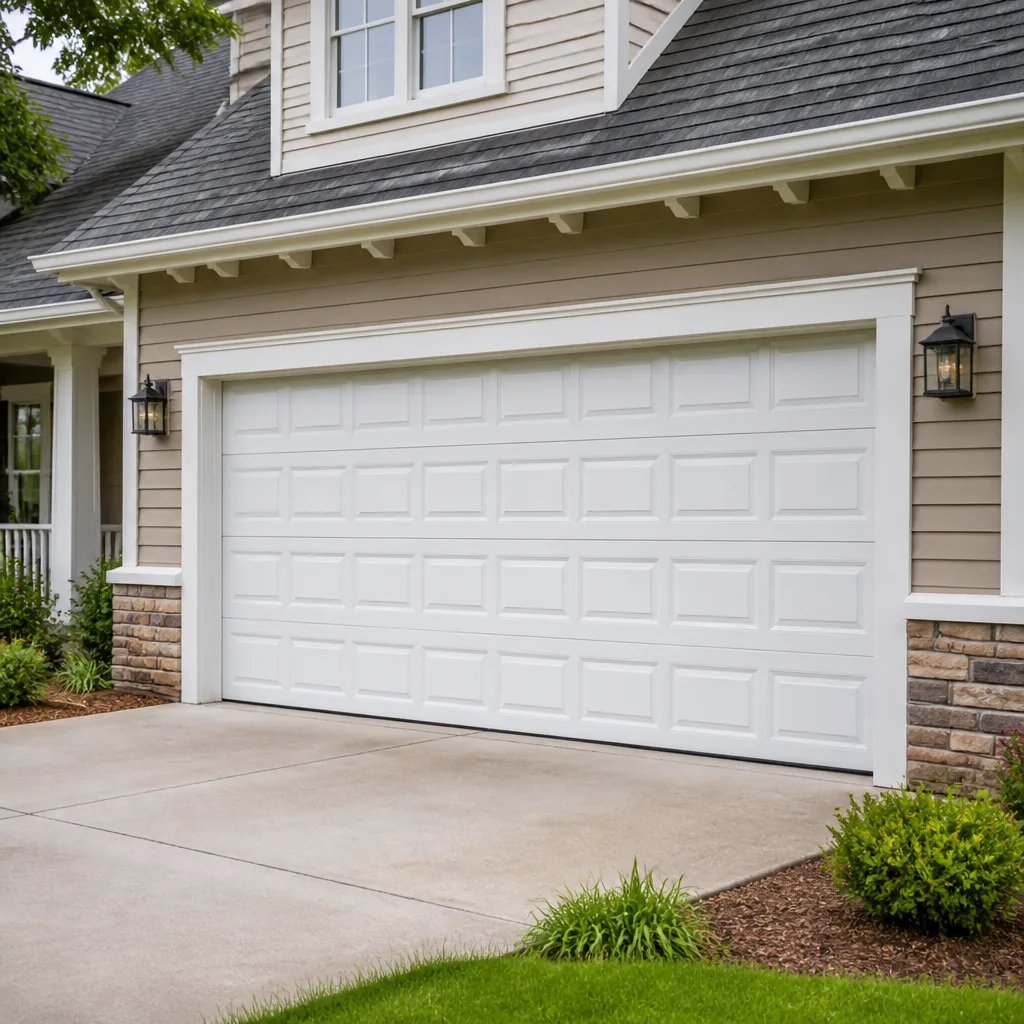 Raised-panel steel
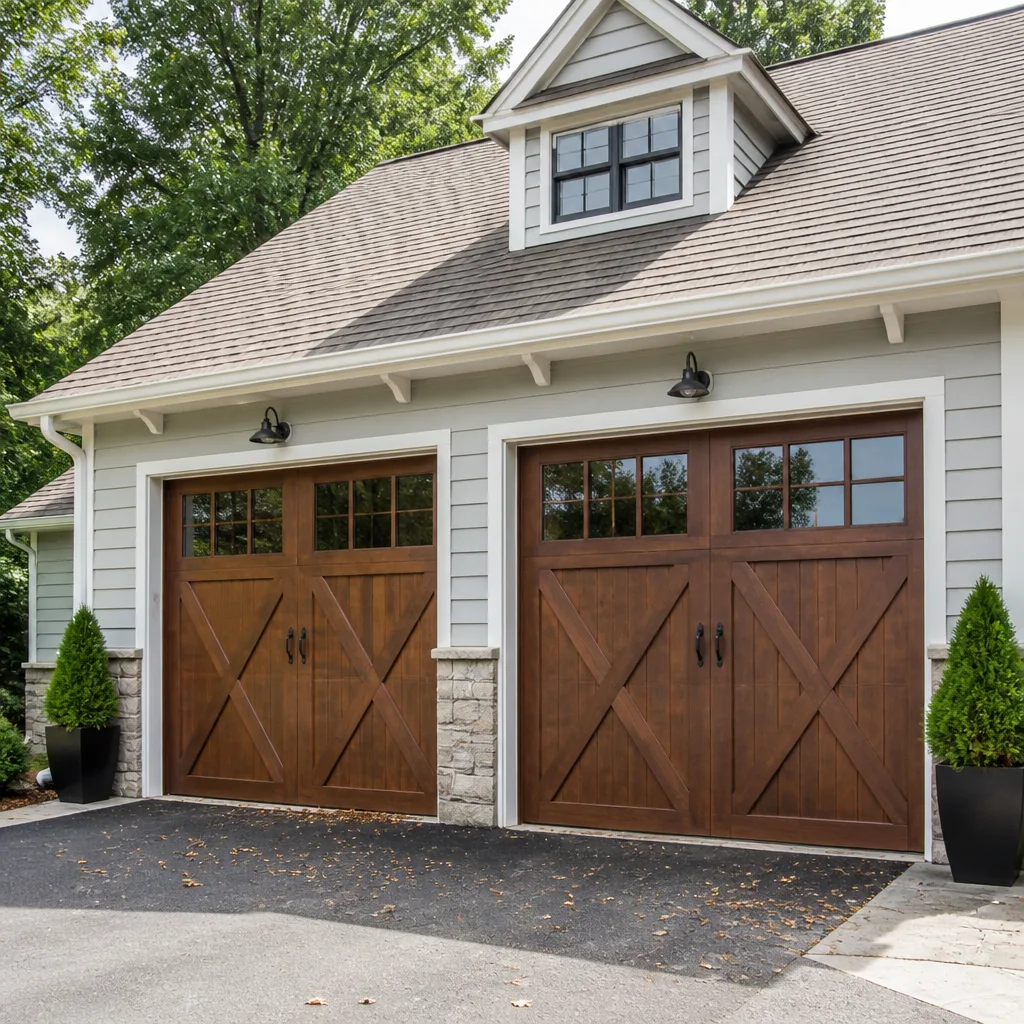 Carriage house
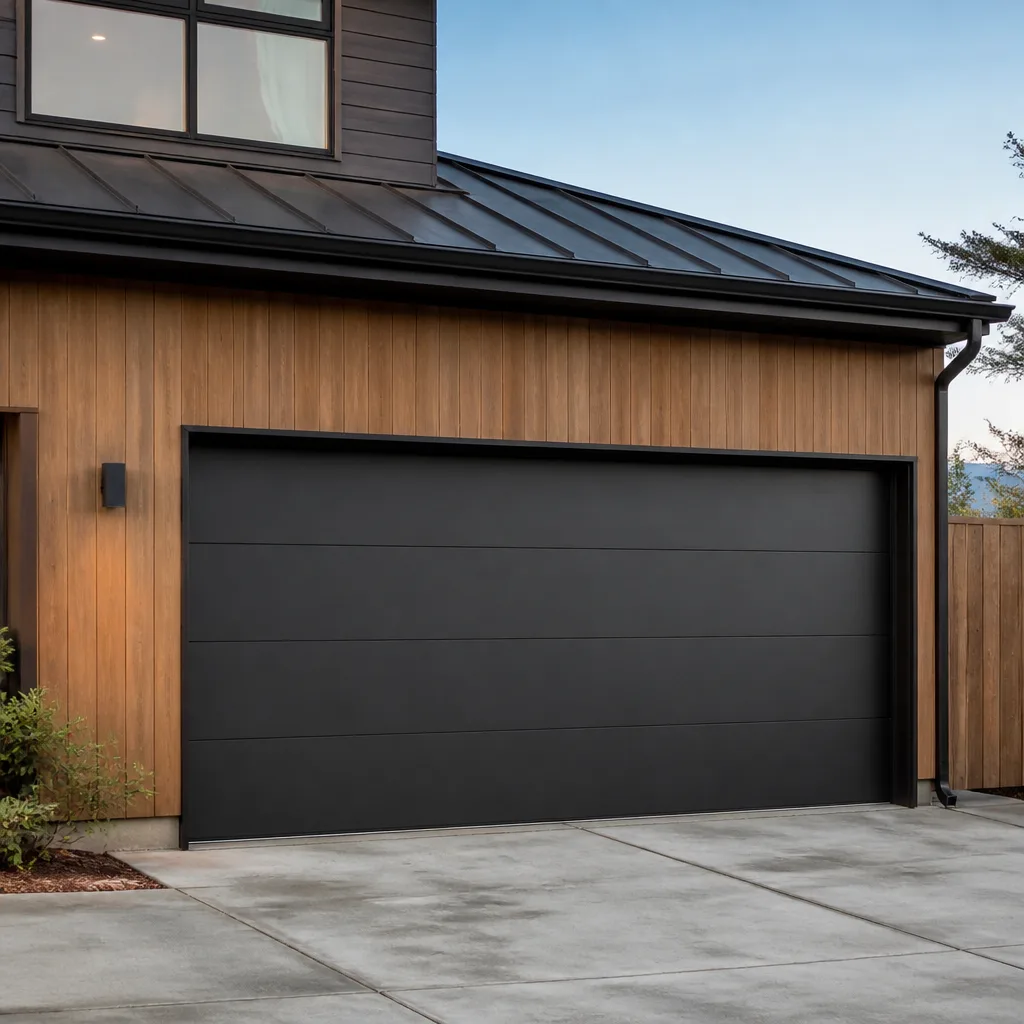 Modern flush
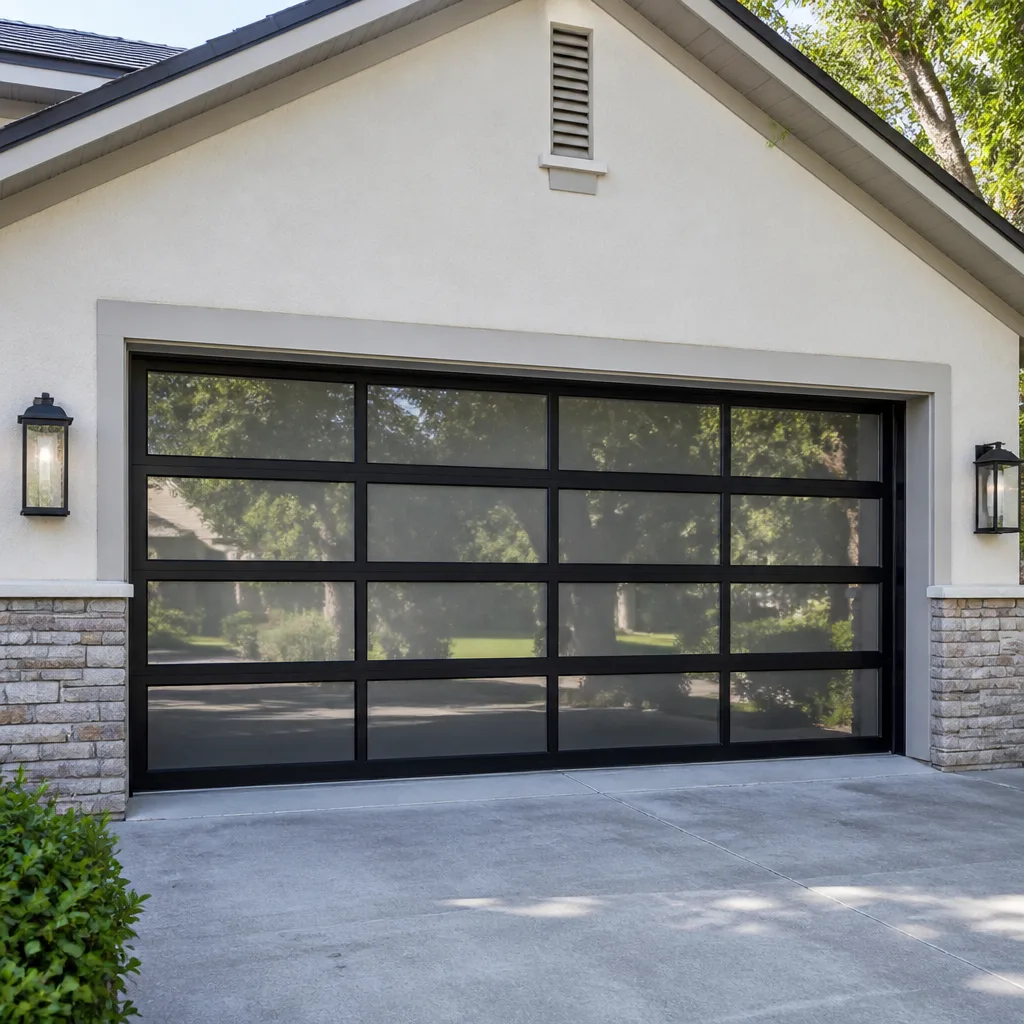 Full-view glass
 LiftMaster openers
 Chamberlain openers
Full 25-point door and opener safety check with every visit - springs, cables, rollers, tracks, and your LiftMaster or Chamberlain opener included
You get a price before we start. It does not change when the pro arrives.
Get your free estimateGarage Door Warning Signs: A Chesterfield Homeowner’s Reference Guide
Most garage door warning-sign checklists give you symptoms without telling you what to do with them, which leaves homeowners with two unhelpful choices: ignore everything until the door quits, or worry about every squeak. A garage door that hesitates for two seconds before it moves isn’t taking a moment to warm up. It’s showing an opener motor that’s laboring, and the longer that goes unaddressed the more likely a small repair turns into a full opener replacement instead of a quick fix. This guide grades warning signs by urgency, so your response matches the actual risk. We’ll walk through what you’re seeing, hearing, and feeling, and tell you which signs mean stop now, which mean book this week, and which just mean keep an eye on it. Everything here is written for Chesterfield homes and the way doors behave in our part of Missouri.
Quick Answer
Garage door warning signs fall into three tiers. Stop using the door immediately if you see a broken spring, a snapped or hanging cable, a door hanging off its track, or door panels that flex and bow; these are dangerous and can fail without warning. Schedule service within a week for uneven movement, jerky travel, a door that won’t close all the way, or a motor that runs but doesn’t lift; these are wearing out and getting worse. Monitor and reassess in 30 days for minor noises, cosmetic dents, a slowly fading remote, and slightly stiff rollers. The tier tells you whether to call now or watch it.
Styles & brands we work with
- Raised-panel steel
- Carriage house
- Modern flush
- Full-view glass
- LiftMaster openers
- Chamberlain openers
Table of Contents
- The Three-Tier Urgency System Explained
- Tier One: Signs That Mean Stop Using the Door Immediately
- Tier Two: Signs to Schedule Service Within a Week
- Tier Three: Signs to Monitor and Reassess in 30 Days
- Visual, Auditory, and Operational Signs: How to Categorize What You Notice
- Why an Uneven Door Is Never Cosmetic
- The Sounds That Distinguish a Dangerous Problem From an Annoying One
- How to Safely Test Your Door Before You Call Anyone
The Three-Tier Urgency System Explained
The reason most homeowners either panic or procrastinate is that warning signs get presented as one long undifferentiated list. A snapping sound and a slightly stiff roller end up side by side, and the reader can’t tell which one matters more. We grade every symptom into three tiers so the response fits the risk.
Tier One: Stop Using Immediately
These are signs where the door can fail without warning, and the failure is either dangerous to anyone nearby or expensive to anything in its path. A spring can snap mid-cycle. A cable can whip free under tension. A door off its track can drop. In these cases, unplug the opener or leave it disconnected and leave the door where it is until a technician sees it. Tier One isn’t about scheduling; it’s about not operating the door.
Tier Two: Schedule Within a Week
These signs mean a component is wearing out and the problem is progressing. Left alone, they tend to compound. A stiff roller grinds other parts. A door that won’t close all the way lets weather and pests in and stresses the opener trying to force it closed. A motor that runs without lifting is on its way to total failure. Booking within a week keeps the repair in the small-fix range instead of the replace-the-opener range.
Tier Three: Monitor and Reassess in 30 Days
These are minor and cosmetic: a squeaky hinge, a slightly noisy roller, a remote that needs a second press, a panel with a small dent that doesn’t affect travel. They’re normal wear and don’t require immediate action. Write them down, check again in a month, and if any of them move into a Tier One or Tier Two behavior, that’s your cue to call.
Tier One: Signs That Mean Stop Using the Door Immediately
These are the signs where the safest thing is to leave the door exactly where it is and not operate it again. Garage doors weigh hundreds of pounds, and every safety mechanism that keeps them from dropping relies on parts that are under constant tension. When one of those parts fails visibly, running the door again adds stress to a system that can no longer absorb it safely.
- A broken torsion spring. Torsion springs across the top of the door are easy to spot when they fail: you’ll see a clean gap where one coil used to be. Extension springs along the sides can fail by snapping free or hanging off their safety cable. Either way, the spring is what counterbalances the door’s weight, and a door without a working spring can drop fast.
- A snapped, kinked, or hanging lift cable. The cables run along the sides under significant tension. Any kink, fray, or loose cable means the door’s lifting mechanism is compromised. Do not try to re-route, tighten, or cut a cable yourself. Spring and cable work is the single most dangerous part of garage door repair and needs a trained professional, full stop.
- The door is hanging off its track or bent in a visible way. A door that’s popped out of the track or has visibly bent panels can come down in an unpredictable direction. If you see either, don’t force it back on the track.
- Panels that flex or bow when you push gently. A door that bows under light hand pressure has lost its structural integrity and could buckle further.
- Parts of the door hanging loose. A sagging hinge, a broken bracket, or a bottom roller that’s dropped out of its bracket all count.
If a technician isn’t available the same day, the safest move is to leave the door in the closed position if it’s already there, use the manual release handle only if the door is fully closed, and use another entry (front door, side door) until service. If you’re trapped inside the garage or can’t get your car out, emergency response is exactly what this situation calls for. Call us at (833) 509-5341 and describe what you see.
Tier Two: Signs to Schedule Service Within a Week
These are the warning signs that say a door has a problem that is progressing. They’re not emergencies, but they don’t fix themselves and they typically get more expensive the longer they sit. In our experience working on doors throughout Chesterfield, the problems in this tier are the ones where a homeowner who books within a week ends up with a simpler repair than the one who waits two months.
- The door moves unevenly, or one side leads the other. A door that travels noticeably slanted usually has a cable tension problem, a spring imbalance, or a bent track. This is never just aesthetic. See the section below for why.
- The door jerks or hesitates during travel. A jerky door can indicate worn rollers, a failing bearing, or a motor straining under a load it shouldn’t be carrying.
- The motor runs but the door doesn’t move. This is a broken opener-to-door connection: a stripped gear in the opener, a snapped chain or belt, or a disconnected carriage (the part that rides along the rail and hooks to the door).
- The door reverses on its own before hitting the floor. This is usually a safety sensor problem. If the sensors aren’t aligned, or the door’s travel limits are out of adjustment, the opener’s safety circuit stops the close as a built-in defense. That defense is good, but the door won’t reliably close until it’s fixed.
- The door won’t close fully, or bounces back up when it hits the floor. The door-to-floor seal can fail, the travel limits need adjustment, or the close force setting is off. Each of those is a quick fix when it’s caught early.
- The remote works only from close range. Usually a battery first, then a sensor or logic board issue if the battery swap doesn’t fix it.
The right response here is to call for an appointment and book it within the week. Doors in this tier are still usable for normal daily use, but they’re adding stress to components that are already compromised. Booking early also lets us match the technician and parts to your actual door system, which matters more than people realize. A Genie opener has very different drive components from a LiftMaster or a Chamberlain, and an Amarr or Clopay door’s hardware is specific to that brand. Diagnosing by the actual system beats guesswork every time.
Tier Three: Signs to Monitor and Reassess in 30 Days
The signs in this tier are real, but they’re normal wear. They don’t affect safety and don’t require a call today. The point of tracking them is to notice when one of them graduates into a Tier Two behavior, so you catch the change early.
- A squeaky hinge or a stiff roller. Hinges and rollers dry out. A dab of the correct garage door lubricant (not WD-40 in its standard form, which is a solvent, not a lubricant) quiets them. If the noise continues after lubrication, that’s when it becomes a Tier Two call.
- A slightly noisy door at one speed but quiet at another. A little variance is normal, especially as the door picks up speed during travel. If the noise becomes consistent, or comes with a vibration you can feel through the floor, that’s your cue to call.
- A remote that needs a second press. Often a battery, sometimes a weak antenna or interference from a recent router placement. Swap the battery first; if the range still feels off, book a diagnostic.
- A small cosmetic dent in a panel that doesn’t affect travel. Cosmetic dents don’t touch the door’s operation. Watch for the dent turning into a crease, which can affect the door’s strength.
- Weatherstripping that’s starting to look worn. Replace it when it’s easy, before a rainy season.
Mark your calendar for four weeks out from when you noticed the sign. If it’s unchanged, reset the reminder. If it’s worse, the tier has moved, and it’s time to call. This is the simplest way to avoid the trap of overreacting to normal wear and ignoring something that’s genuinely worsening.
Visual, Auditory, and Operational Signs: How to Categorize What You Notice
When you’re standing in front of your door trying to figure out whether to call, it helps to sort what you notice into three categories. Each category has a different reliability. Visual signs are the clearest. Operational signs tell you a lot about function. Auditory signs require the most interpretation, which is why so many people misread them.
Visual Signs
These are what you can see without operating the door. Spring gaps. Cables that look frayed or kinked. Panels that are bent, bowed, or creased. Track sections that are visibly bent. Rollers that have slipped out of their brackets. Any of these visible signs is worth a call, and a visible spring or cable failure is a Tier One stop.
Auditory Signs
These are what you hear when the door runs. A single loud pop is the sound of a torsion spring failing. A scraping or grinding metal sound is usually a dry or worn roller. A rhythmic thumping can be a bent roller, a loose hinge, or an unbalanced door. A high-pitched squeak is a dry hinge. A repeated banging at the top of the travel can be the opener hitting its limit with too much force. The key is matching the sound to the part. A pop is a Tier One stop; a squeak is Tier Three monitoring.
Operational Signs
These are function changes: hesitation, jerky travel, uneven movement, reversing on its own, failing to close, opening to the wrong height, or a motor that runs without moving the door. Operational signs are almost always the earliest thing a homeowner notices, and they almost always map to Tier Two. The door still works, but it’s telling you a part is wearing out.
If you can only take in one thing: any change in how the door operates is worth a call, any visible failure of a spring or cable is a stop, and anything purely audible or cosmetic is worth watching.
Why an Uneven Door Is Never Cosmetic
A door where one side sits a few inches lower than the other is always a mechanical problem, never an aesthetic one. The door’s weight is supposed to be balanced evenly between the two lift cables and the springs. When one side drops, the door is out of balance, and the imbalance is being absorbed somewhere: usually the cables, the springs, or the opener motor. Left alone, the component doing the absorbing is the one that fails first.
There are three structural causes we look for:
- Cable tension on one side. One lift cable is carrying more weight than the other, either because the cable is stretching or because it’s slipping on its drum. This is a cable problem, and cable problems are a Tier One safety concern if the cable is visibly damaged.
- Spring imbalance. If your door has two torsion springs, a broken or weakened one on one side throws the door out of balance. A single broken spring means the door is entirely on the other spring, which is why a broken spring often shows up first as an uneven door. This is a spring repair job, and spring repair is a specialist’s work.
- A bent or misaligned track. If one track is out of plumb, the door rides it unevenly. A track problem is more common after a door has been bumped. It’s still not cosmetic, because the door is dragging on the track every time it runs, which stresses everything else.
Because the cause can be a cable, a spring, or a track, an uneven door is one of the situations where brand-matched repair matters. On a Wayne Dalton door, for example, the track and hardware are specific to that system. On an Amarr or Clopay door, the panel and roller configurations work the way they were engineered to. Matching the repair to the exact door keeps the fix from becoming a workaround.
The Sounds That Distinguish a Dangerous Problem From an Annoying One
Sound is the least reliable warning sign, so it’s worth breaking it down. Some sounds are cosmetic. Others are the last warning you get before something fails. Here’s how we categorize them.
- The pop or snap. A single sharp pop is a torsion spring failing. This is immediately a Tier One stop. Don’t operate the door again.
- A loud metallic ping. That’s usually an extension spring releasing. Also Tier One, because the spring has broken free of its load.
- A scraping or grinding. Metal scraping along metal is usually a dry or worn roller on the track. It’s not an emergency, but it’s wearing the track and the roller. Tier Two, schedule within the week.
- A rhythmic thump. Thumping at regular intervals as the door moves means something is bent or out of round, and it’s making one revolution per thump. Tier Two unless it’s accompanied by a visible track bend or uneven door travel, in which case it climbs toward Tier One.
- A high-pitched squeak. Cosmetic. Lubrication quiets it. Tier Three.
- A single loud bang at the start or end of travel. That’s the opener running a limit or force setting too high. Tier Two, because the opener is hammering the door every cycle.
- The opener motor whining but not moving the door. Not a sound of failure yet; it’s the opener’s drive gear running free. Tier Two, schedule a diagnostic.
- A loud rattle when the door is up. Loose hinges, a slack chain, or a panel that’s lost a fastener. Tier Two if it’s consistent; Tier Three if it’s minor.
In our experience, the two sounds that most often get ignored and shouldn’t are the metal-on-metal scrape and the single sharp pop. The scrape is a roller that could catch and bend the track. The pop is a spring that has already failed; running the door again is where temporary damage becomes real damage.
How to Safely Test Your Door Before You Call Anyone
You don’t need to diagnose the exact component before you call. But there are two safe checks a homeowner can do at home that tell a technician a lot, and they’re worth doing before the call. Both are about observing, not repairing. Do not attempt to adjust, repair, or replace any door part yourself, especially springs, cables, and the opener’s internal components.
The Balance Test
- Disconnect the opener. Pull the manual release handle so the opener isn’t holding the door. If the door is already fully closed, the release is safe to use.
- Lift the door approximately halfway by hand. Use one hand, firm grip, and get ready to step clear. If the door is much heavier than you expected, stop immediately; you’ve found the problem.
- Let go and observe. A properly balanced door will stay near the halfway point. A door that drops straight down has lost its spring support. A door that wants to slam shut has a broken or weak spring. A door that flies up has too much spring tension. Either behavior is a sign the springs aren’t doing their job.
- Do not repeat the test if the door drops or falls. Leave it and call.
The Auto-Reverse Test
This checks that the door’s safety system will stop and reverse if it touches something on the way down. It’s a two-minute test and shouldn’t be skipped.
- Operate the door closing normally. Stand clear of the door’s path. Do not reach under the door to test.
- Watch for the sensors first. With the door running, wave a hand through the small sensor beam near the floor. The door should stop and reverse before it reaches you. If it doesn’t, the sensor alignment is off, and that’s a Tier Two call.
- For the force test, place a small object. A soft object (a rolled towel or a two-by-four laid flat) in the door’s path near the floor will trigger the reverse when the door meets it. Do not use your hand or a hard object to test the door’s force; use the sensors.
- Record what happened. If the door reverses, the test passed. If it doesn’t reverse, or reverses inconsistently, book a diagnostic. This isn’t cosmetic. The reverse is the door’s last safety feature before it presses on someone or something.
If the door fails either test, don’t keep running it. A door that drops when you let go needs spring repair; a door that won’t reverse needs an opener diagnostic. Either way, the next step is the same: schedule a technician. In the meantime, if the door leaves your car trapped or your home exposed, emergency service is the right call. Call (833) 509-5341 and be ready to describe what you saw.
Common Mistakes to Avoid
- Running a door with a visible spring gap. A broken spring means the door is missing its counterbalance. Running it puts the full weight on the opener and cables, which can fail or snap under the load. Stop using the door.
- Trimming or cutting a damage cable yourself. Cables are under high tension, and setting one wrong or cutting one can whip free. Trust a trained professional with cables and springs every time.
- Adjusting the opener force to force a stiff door closed. Cranking up the force setting to push through a jam hides the real problem and stresses the opener. The cause is usually a track, roller, or alignment issue, and it needs diagnosis, not force.
- Treating a cosmetic dent as a signal to replace the door. Panels can often be worked with, and a small dent that doesn’t affect travel doesn’t mean a full new door. A written estimate tells you the real number.
- Skipping the sensor test after a new install. If you’ve had a door or opener installed recently, run the auto-reverse test once a month for the first few months. A sensor that was perfectly aligned in the shop can drift with use, and catching that drift early is the difference between a five-minute adjustment and a bigger fix.
- Calling a general handyman for a spring or cable failure. Springs and cables are the highest-risk part of garage door repair. A handyman who isn’t trained on garage door load systems is a risky choice for this job. The right call is a specialist who works on garage doors as their trade.
- Waiting for the motor to fail completely. A motor running without moving the door is an early warning. Booking when you notice it lets the repair stay on the small side instead of becoming an opener replacement.
None of these mistakes are about what you don’t know. They’re about the gap between a sign you’ve noticed and the action that sign calls for. Once you map the sign to a tier, the right action is usually clear.
See the difference
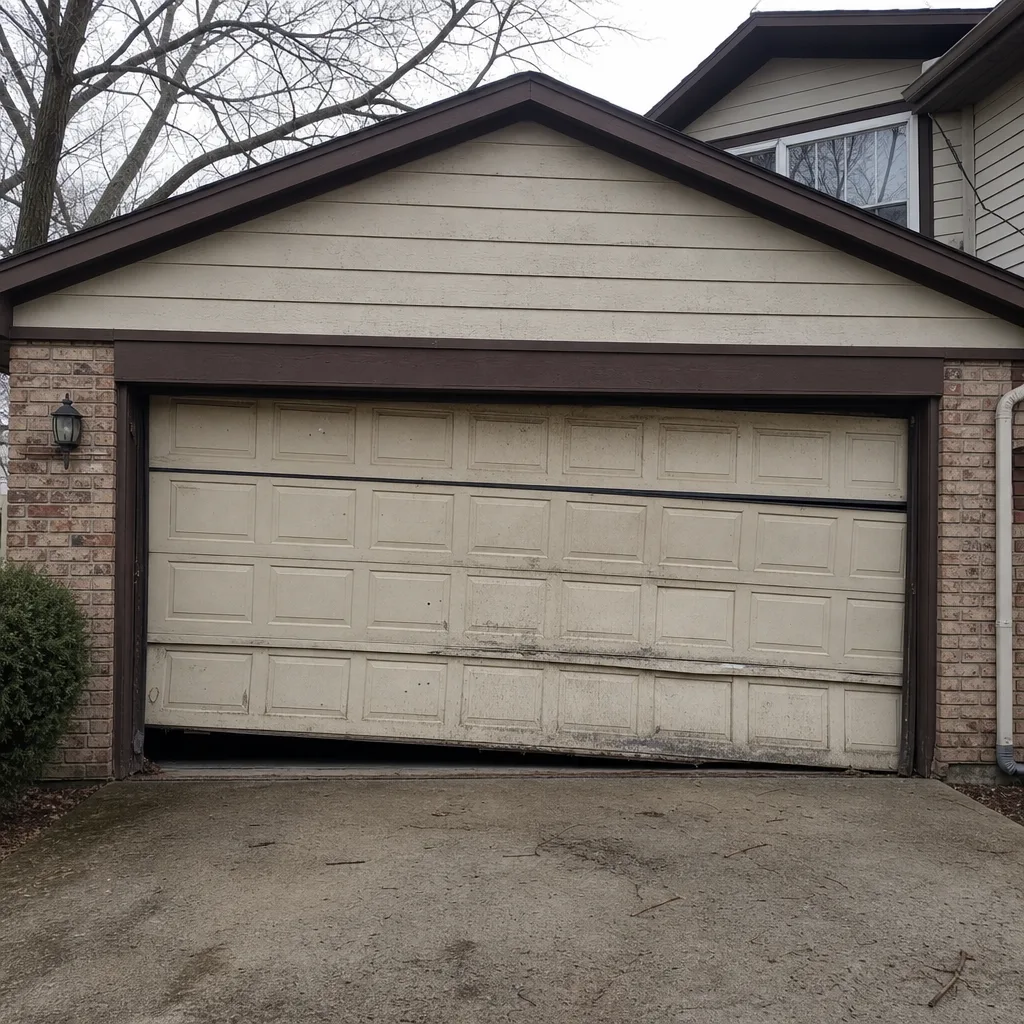 Before
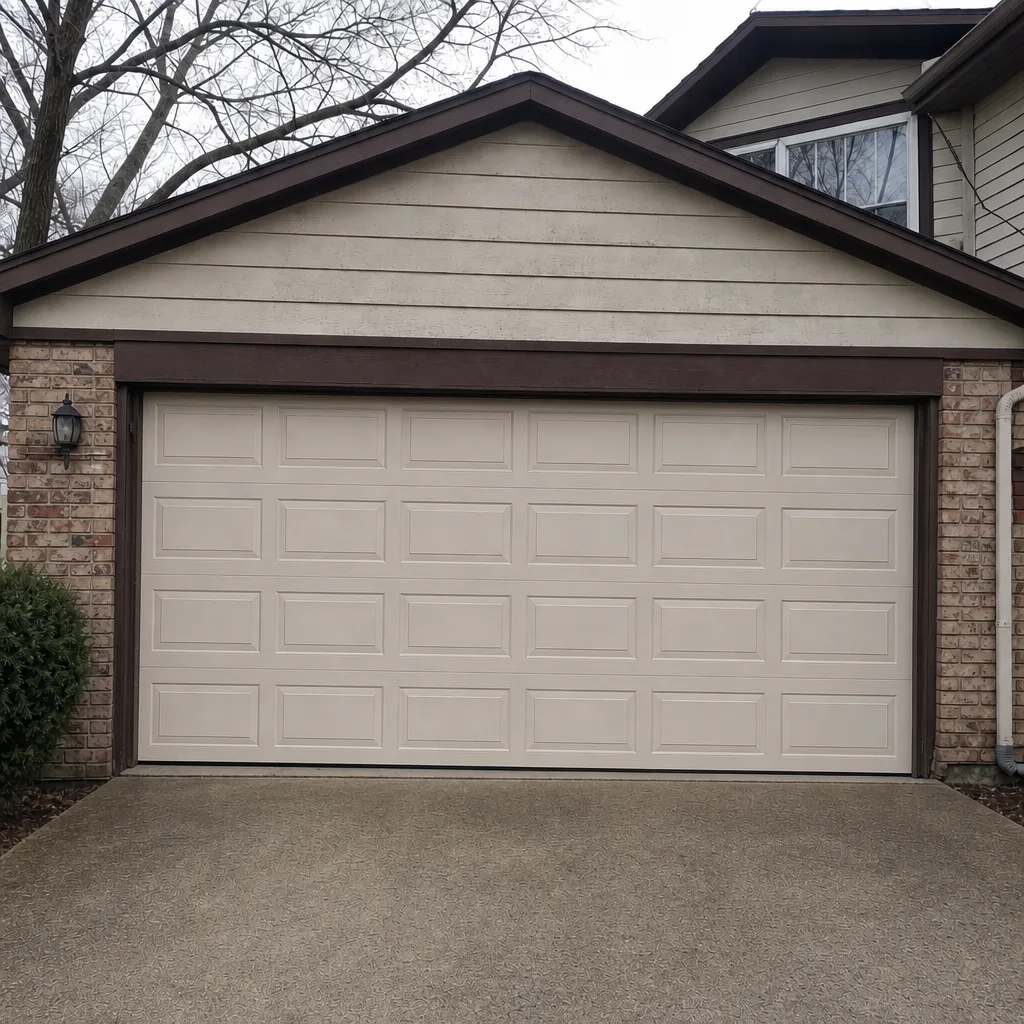 After
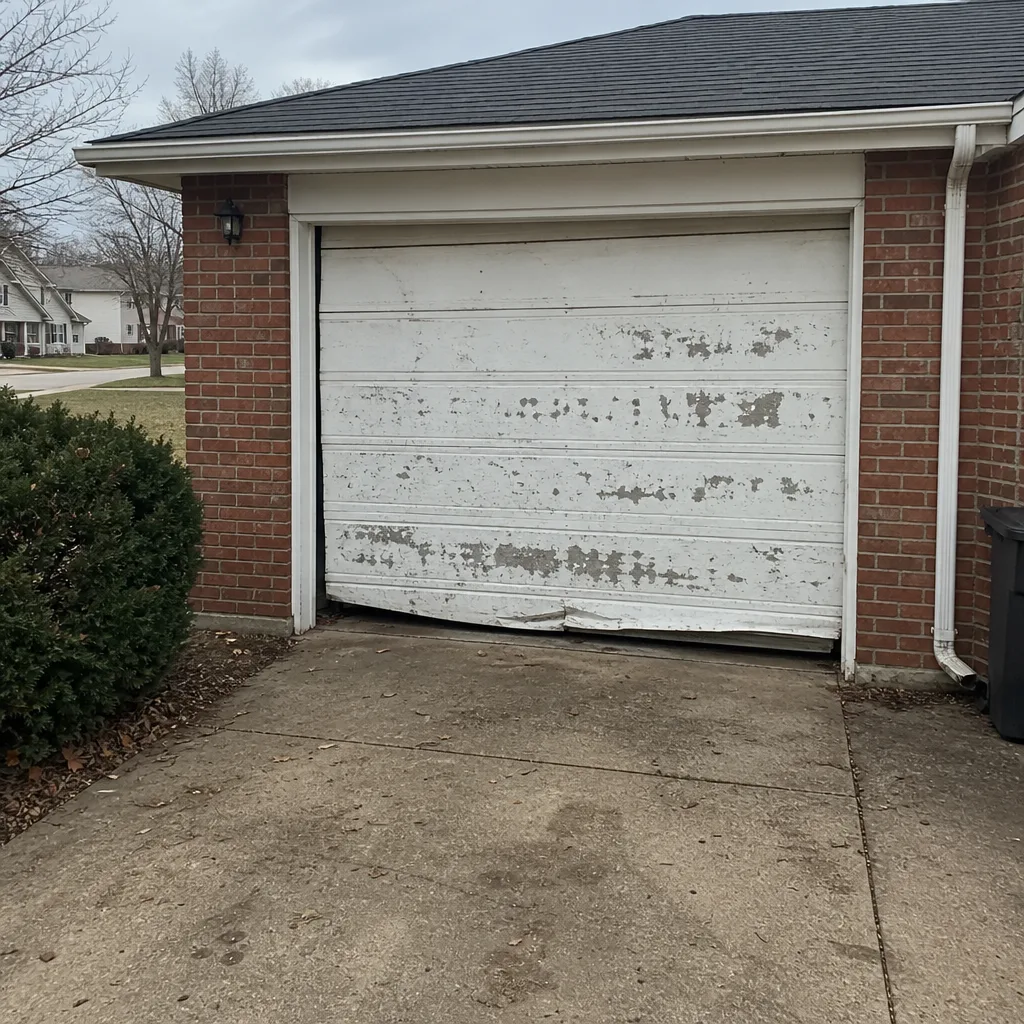 Before
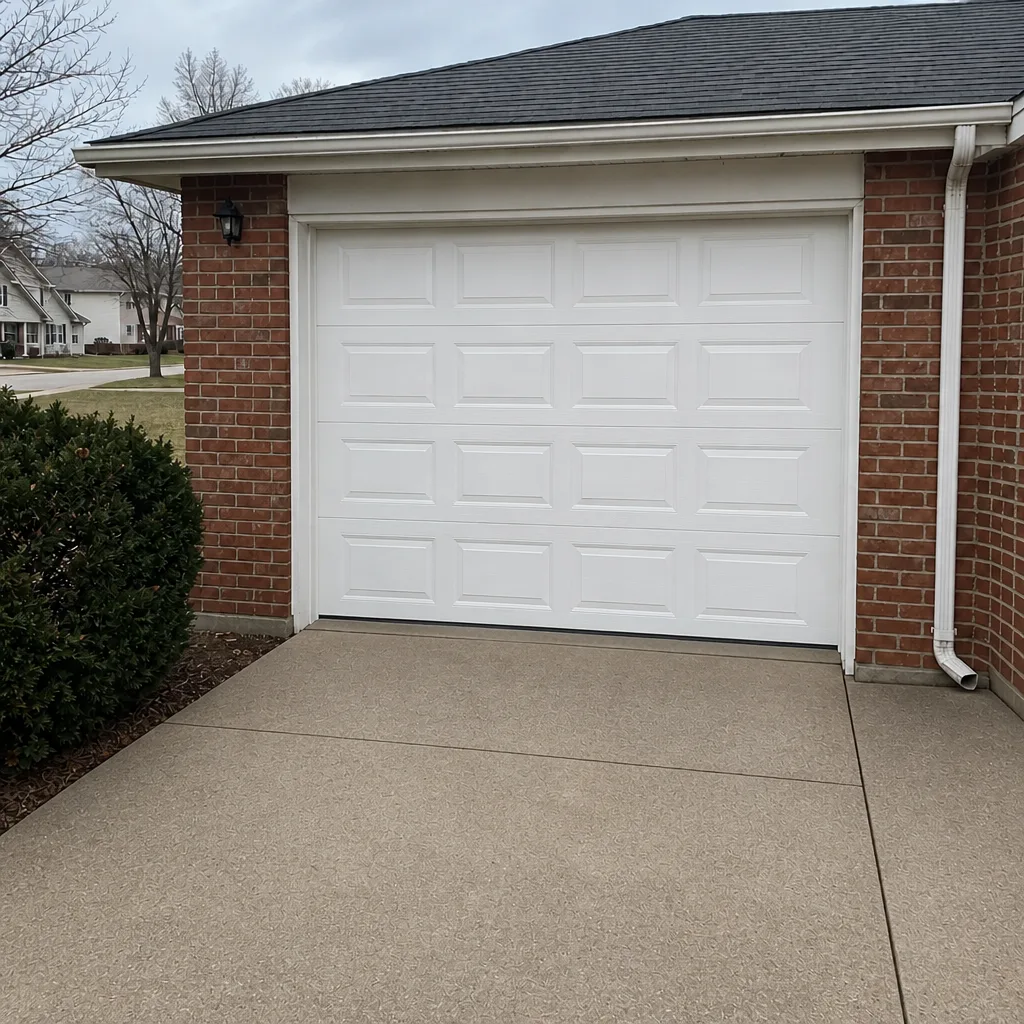 After
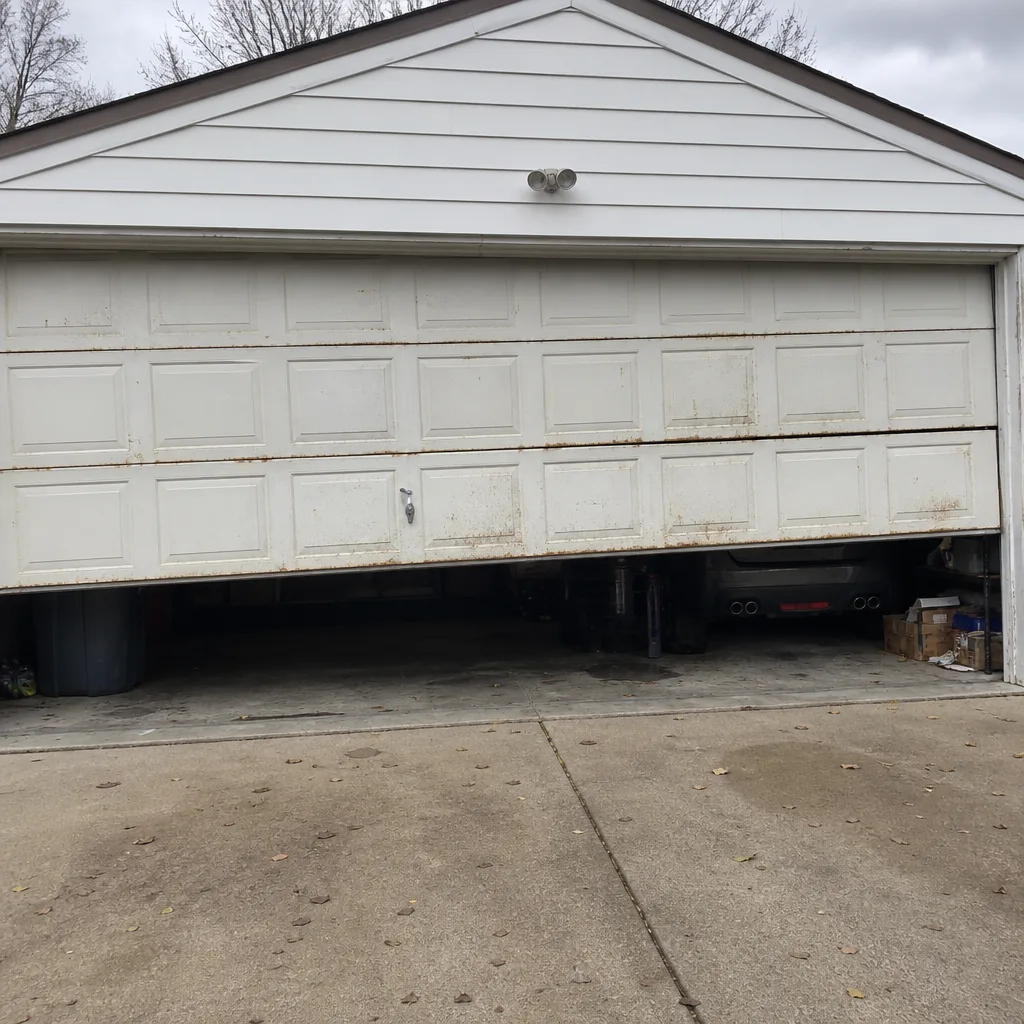 Before
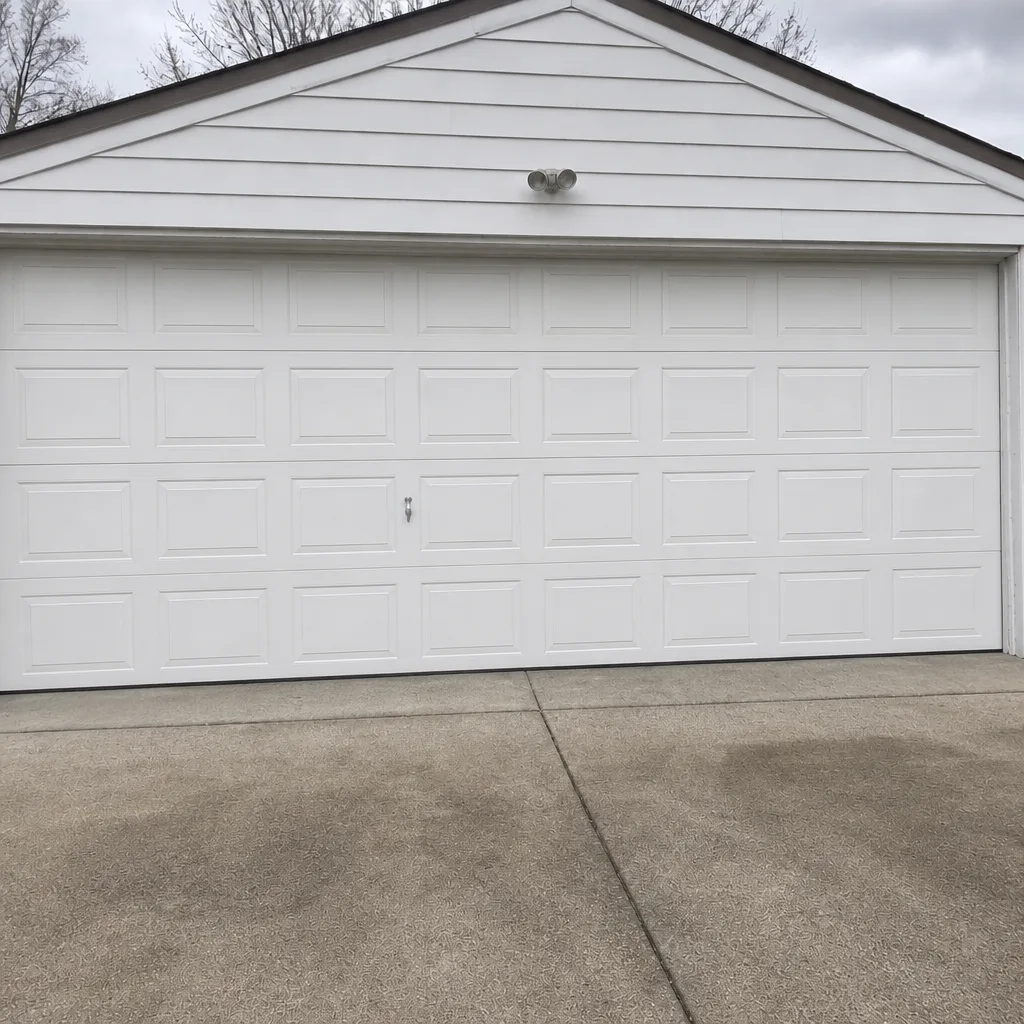 After
When to Call a Professional
Call a professional the moment you see a broken spring, a damaged cable, a door off its track, or a visibly bent or bowed panel. That’s not a “watch and see” situation. Call within the week if the door moves unevenly, jerks, won’t close all the way, reverses on its own, or if the motor runs without lifting it. Those are all signs a part is wearing out and the problem is getting worse. Book an appointment for a free estimate if you’ve been watching a sign for a month and it hasn’t settled.
Chesterfield Garage Door Repair Pros offers free estimates in Chesterfield, and we handle everything from a small opener fix to spring repair to full-door installation. We’re set up for emergency response when a door failure traps your car or leaves your home exposed; tell us what you’re seeing when you call. Call (833) 509-5341, and we’ll talk through the signs and get you on the schedule.
Frequently Asked Questions
If you can see a broken spring, a damaged or hanging cable, a door off its track, or panels that flex and bow, it’s an emergency: stop using the door. If the door still operates but hesitates, jerks, or travels unevenly, it’s a book-this-week situation. If it’s a squeak or a cosmetic dent that doesn’t affect travel, it’s a monitor-and-reassess sign. When you’re not sure, call and describe what you see. Estimates are free.
A squeak alone is cosmetic. It’s usually a dry hinge or a stiff roller, and the correct lubricant quiets it. The version to worry about is a squeak that turns into a grinding or scraping sound, or a noise that comes with a vibration you can feel through the floor. That means a roller is wearing the track, and it’s worth scheduling a diagnosis before the track needs replacement.
No. Springs are under extreme tension, and the risk of serious injury is real. A garage spring can release with enough force to break bones or worse. Any garage door spring repair has to be handled by a trained professional. We treat spring repair as a standalone specialty for exactly that reason, and it’s the one job we’d never suggest a homeowner try on their own.
A hesitation is a Tier Two sign, and it usually points to the opener’s motor laboring or a worn part in the door’s travel. In our experience, the most common cause is an opener motor that’s starting to fail. Catching it now typically keeps the repair to a fix; waiting lets it progress toward full motor failure, which means replacing the opener instead. Book a free estimate and we’ll diagnose the exact system.
It depends entirely on the part and the system. A roller or hinge fix is at the low end; an opener repair or a spring repair is a bigger job. The one thing every job shares is that you get a written estimate before any work starts, so the number you agree to is the number you pay. Pricing is per job, by estimate. Call (833) 509-5341 for a free estimate and an exact number for your door.
Because a Genie opener has different drive components from a LiftMaster or a Chamberlain, and a Clopay, Amarr, Wayne Dalton, or Raynor door has hardware specific to that door. A technician who knows your brand isn’t guessing at what the part should do; they’re diagnosing against the actual system. That means fewer return visits, and a repair that fits the door as it was built rather than a generic workaround.
Yes. An uneven door is a cable, spring, or track problem every time, and the component doing extra work is the one most likely to fail. It’s a Tier Two sign that moves toward Tier One if you can see a spring gap or a damaged cable. Get it looked at, especially on a door you rely on every day.
The Bottom Line
The difference between a warning sign you can safely watch and a warning sign you need to act on comes down to three tiers. Stop immediately for broken springs, damaged cables, and doors off track. Book within a week for hesitation, uneven movement, jerky travel, and motors that run without lifting. Monitor and reassess in 30 days for squeaks, minor cosmetic dents, and small noises. Test your door’s balance and auto-reverse function once in a while to catch changes early, and never attempt spring or cable work on your own. Chesterfield Garage Door Repair Pros handles repairs, opener work, spring repair, and full installations across the brands your door and opener actually use, and we’re set up for emergency calls when the sign turns serious. Our technicians have up to 10 years of experience. Call (833) 509-5341 for a free estimate, and we’ll tell you which tier you’re in.
Written by the team at Chesterfield Garage Door Repair Pros.